‹ All emergency services

Emergency
fault finding

Flickering lights, dead sockets or a smell of burning? We track down the cause quickly with specialist test equipment and make it safe.

  • Specialist test equipment, no guesswork
  • Explained to you in plain English
  • Made safe before anything else
  • Most faults fixed on the first visit
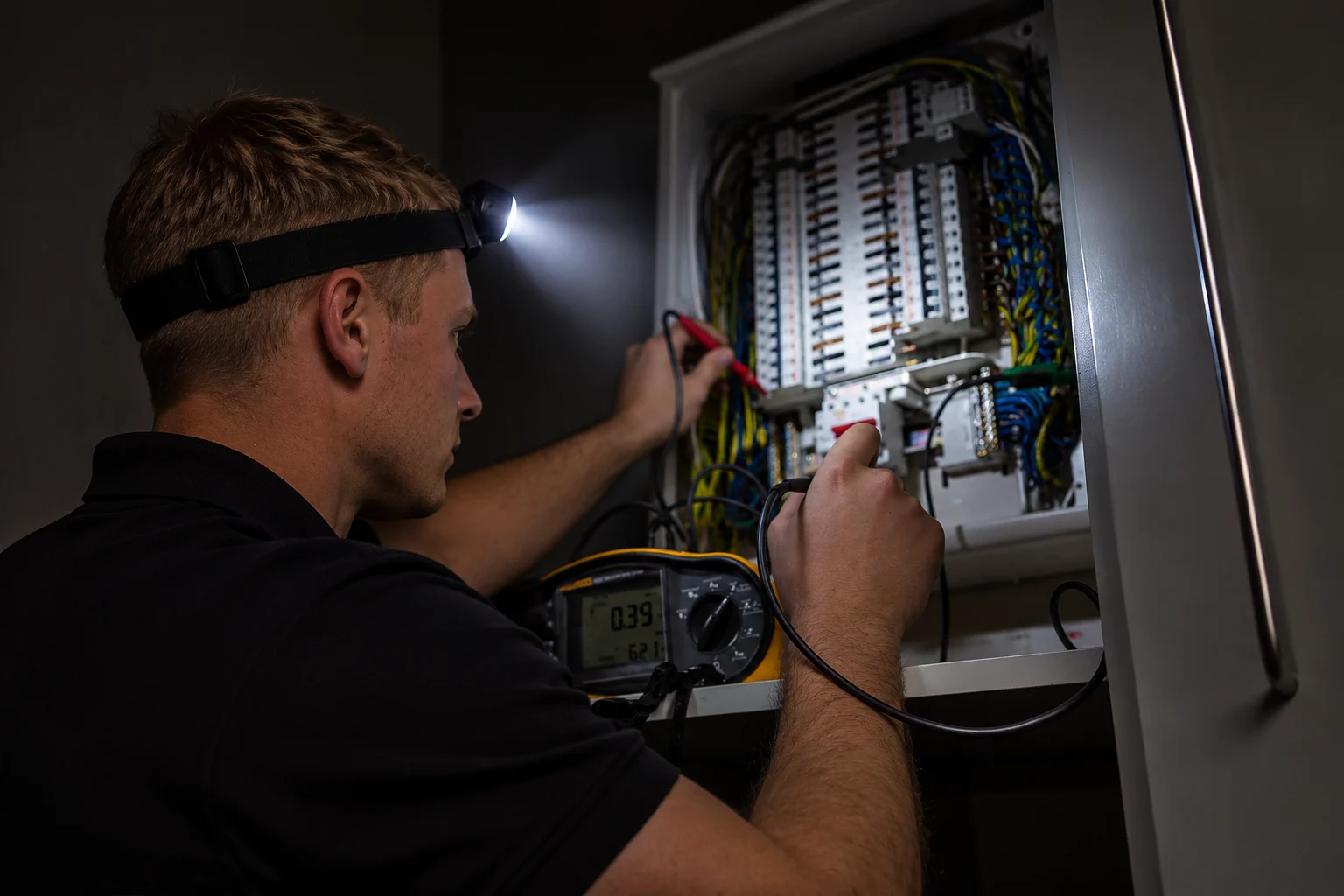
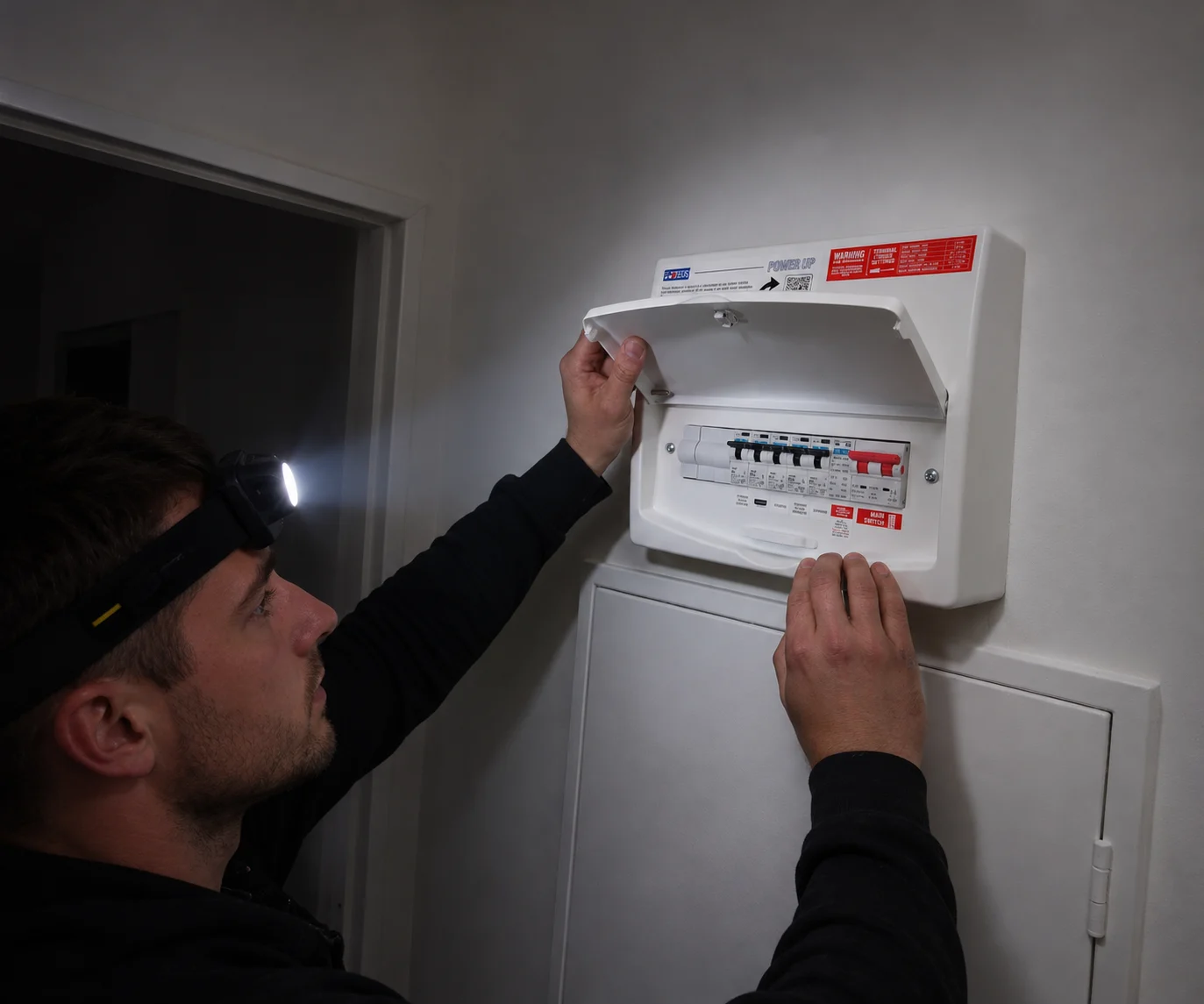
Emergency fault finding photo

What we deal with

Electrical faults can be hard to pin down, especially when they come and go. Our electricians test circuit by circuit to find exactly where the problem is, rather than guessing. Once we've found it, we explain what's wrong, agree what needs doing and repair it safely.

  • Lights flickering or dimming
  • Sockets or whole circuits not working
  • Faults that come and go
  • Buzzing or crackling from switches
  • Appliances tripping the power
  • Shocks or tingling from fittings
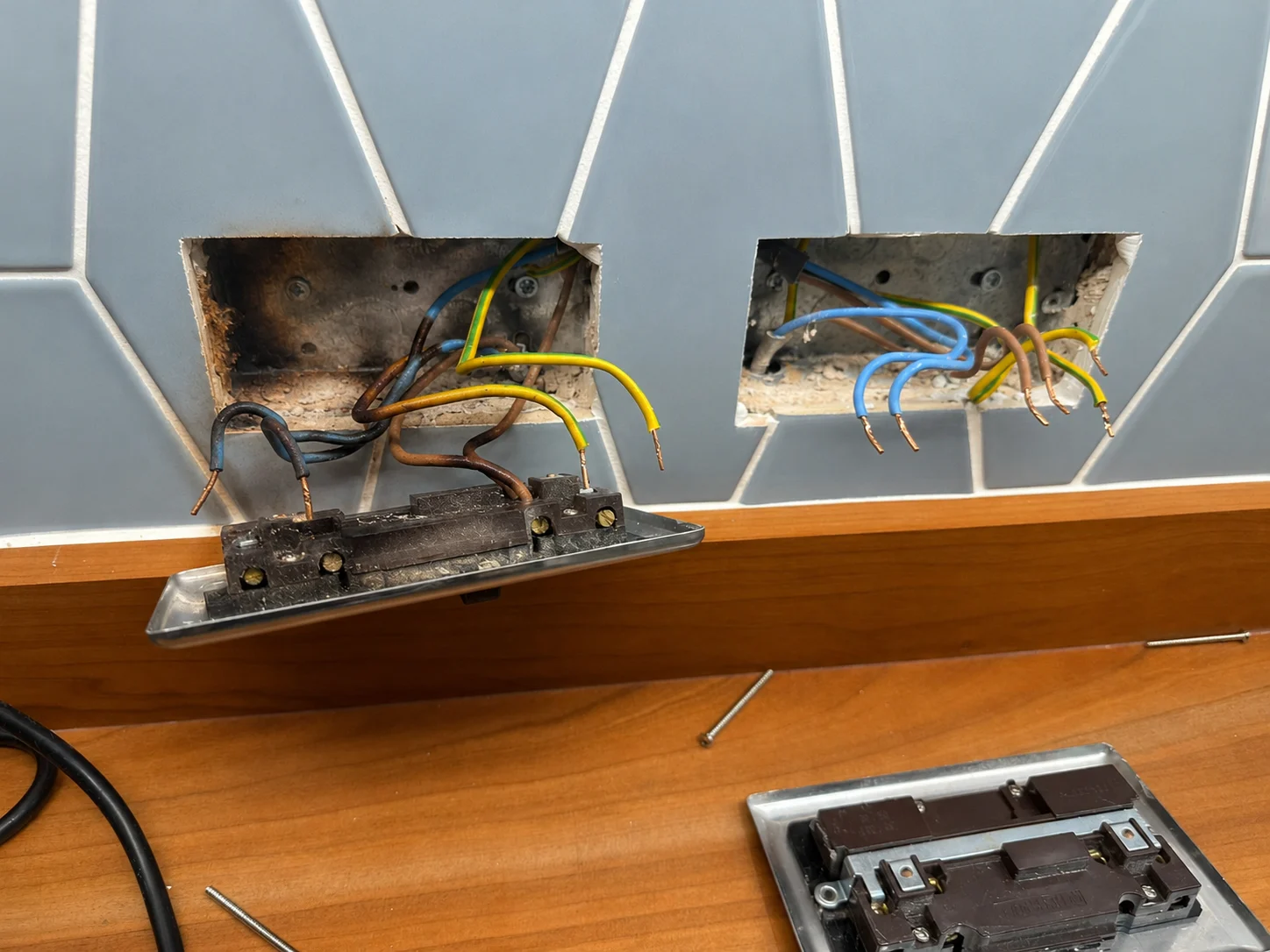
  • Hot or discoloured plugs
  • Faults after building work or DIY

Expert electrical fault finding near you

Electrical faults aren't always obvious. A socket stops working, lights flicker for no clear reason, or the power trips at random. Finding the cause takes the right equipment and a methodical approach, and that's exactly what our electricians bring to every fault-finding call-out across York, Middlesbrough, Newcastle, Reading and Oxford.

Rather than replacing parts and hoping for the best, we test the installation properly to find exactly where the problem is. That means a quicker fix, no unnecessary work and a repair that lasts.

Common electrical faults we find

  • Loose connections in sockets, switches and junction boxes, which can cause flickering, buzzing and heat
  • Damaged cables, often from drilling, nails, screws or rodents
  • Failing switches, light fittings and dimmers
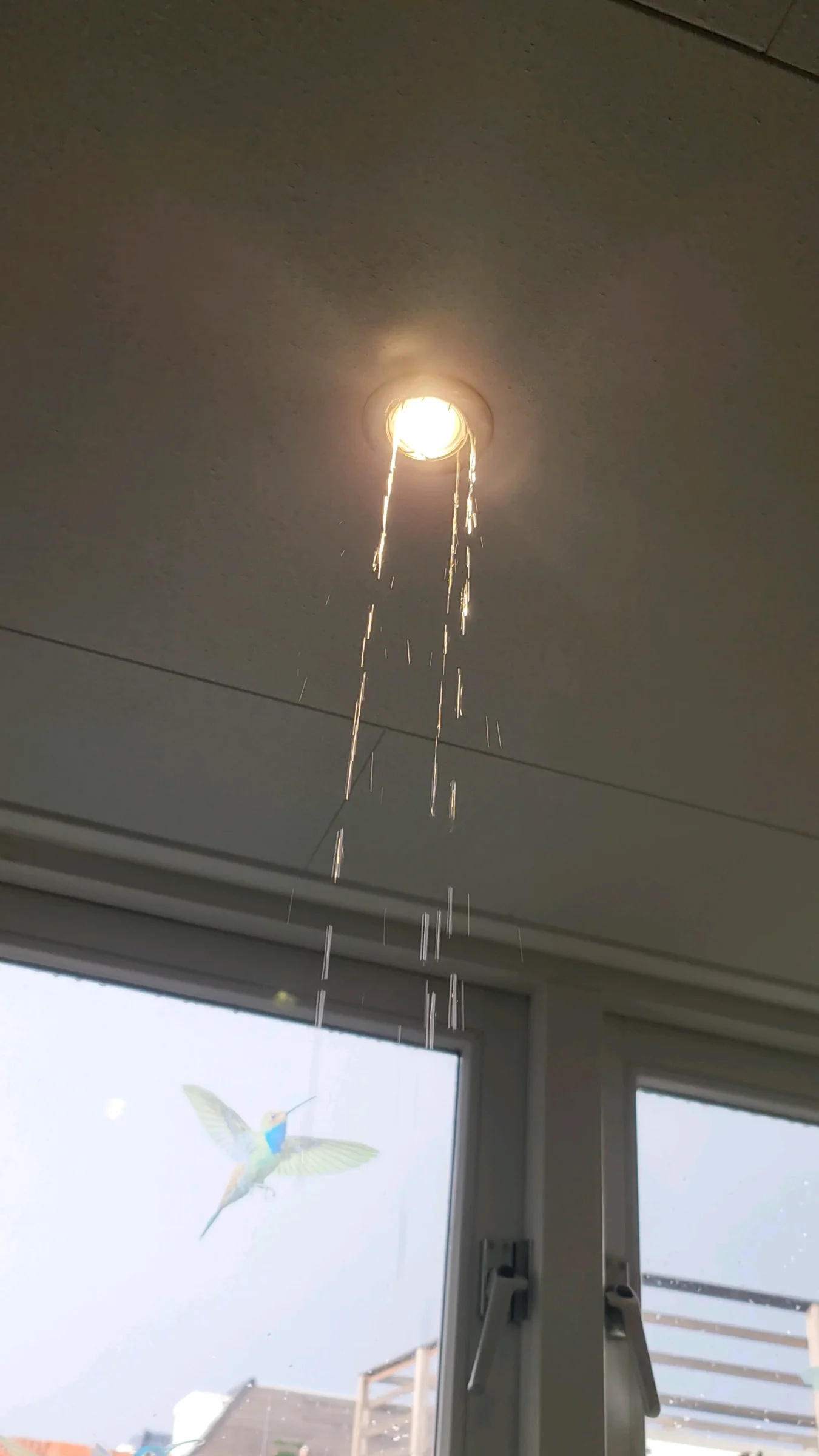
  • Water getting into fittings, outdoor sockets or cables (water and flood damage)
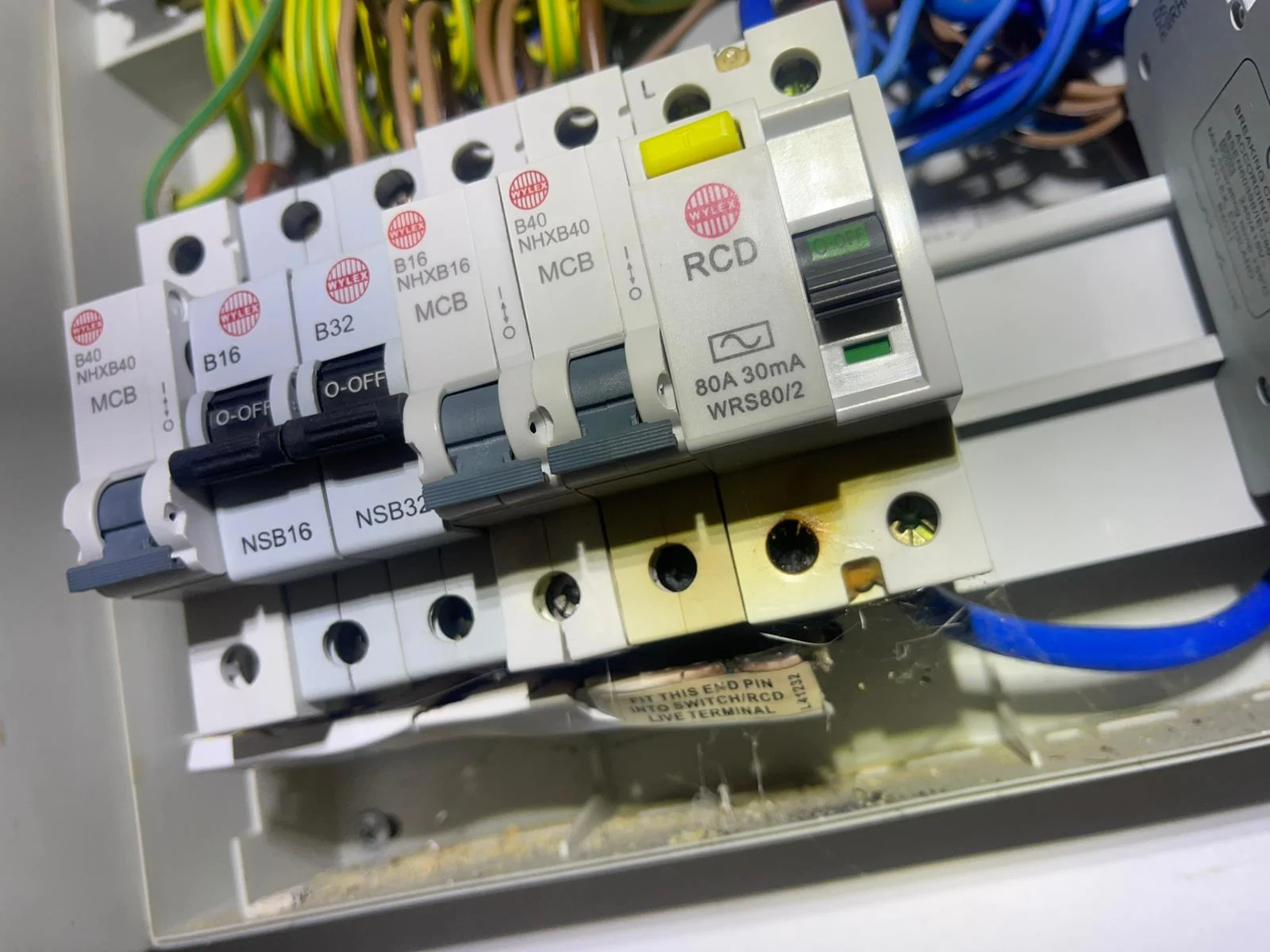
  • Faulty appliances leaking current to earth and tripping the RCD (tripping fuses and RCDs)
  • Overloaded circuits with too many high-power appliances
  • Ageing wiring that's reached the end of its life

How we find the fault

Fault finding starts with listening. We'll ask what's happening, when it started and whether anything has changed recently, such as new appliances or building work. Then we test. Using insulation resistance testers, multifunction testers and other specialist equipment, we check each circuit in turn to narrow down the problem.

Intermittent faults can take a little longer, so the more you can tell us about when they happen, the faster we'll find them. Once we've found the cause, we explain it in plain English, agree the repair and fix it. Every repair is tested before we leave.

Warning signs you shouldn't ignore

Some faults are just an inconvenience; others are a warning that something is wrong. Call us promptly if you notice:

  • Lights that flicker or dim when appliances switch on
  • Sockets, plugs or switches that feel warm (burning smells and hot sockets)
  • A tingle or mild shock from a fitting or appliance
  • Buzzing or crackling from switches or the fuse board
  • A breaker or RCD that trips again and again

These can be early signs of a loose connection or damaged insulation, which can get worse over time and become a fire or shock risk.

Fault finding for homes, landlords and businesses

We carry out fault finding in houses, flats, rental properties and commercial premises. Landlords and agents can book us to attend on a tenant's behalf, and we'll send a clear written summary of what we found and what we fixed. If the fault needs urgent attention, see our emergency call-out service.

While you wait

Stay safe until we arrive

A few simple steps keep everyone safe and help us fix the problem faster.

  1. 01Stop using the circuit or appliance that's causing problems
  2. 02Don't touch anything that's given you a shock
  3. 03Note when the fault happens, as it helps us find it faster
  4. 04Switch off at the main switch if anything smells of burning

How we handle it

  1. Step 01

    Tell us the symptoms

    When it happens, what's switched on at the time and anything else you've noticed.

  2. Step 02

    We test circuit by circuit

    Specialist equipment pinpoints exactly where the fault is.

  3. Step 03

    We explain what we found

    In plain English, with the repair agreed before we start.

  4. Step 04

    We repair and re-test

    The fault is fixed and the circuit tested so it stays fixed.

Questions we get asked

What if the fault only happens sometimes?

Intermittent faults are common. Tell us when it happens and what's switched on at the time, and we'll keep testing until we find it.

Can you tell if an appliance is causing it?

Yes. We'll check whether it's the wiring or an appliance, so you don't pay for work you don't need.

Is a tingling feeling from a switch dangerous?

Yes. Stop using it, switch off at the main switch if you can do so safely, and call us straight away.

How long does fault finding take?

Many faults are found within an hour or two. Intermittent faults can take longer, and we'll keep you updated as we go.

Do I need to be at home?

Ideally, yes, or someone who can tell us about the fault and give us access to the fuse board. Landlords can arrange access with tenants.

Can an electrical fault damage my appliances?

It can. Some faults affect the supply to your appliances and electronics, so it's worth getting them checked quickly.

Need an emergency electrician now?

Phones answered 24/7, every day of the year. We'll agree the price and give you an arrival time on the call.

Call Now: 01234 567 890