Water and electricity: get it made safe
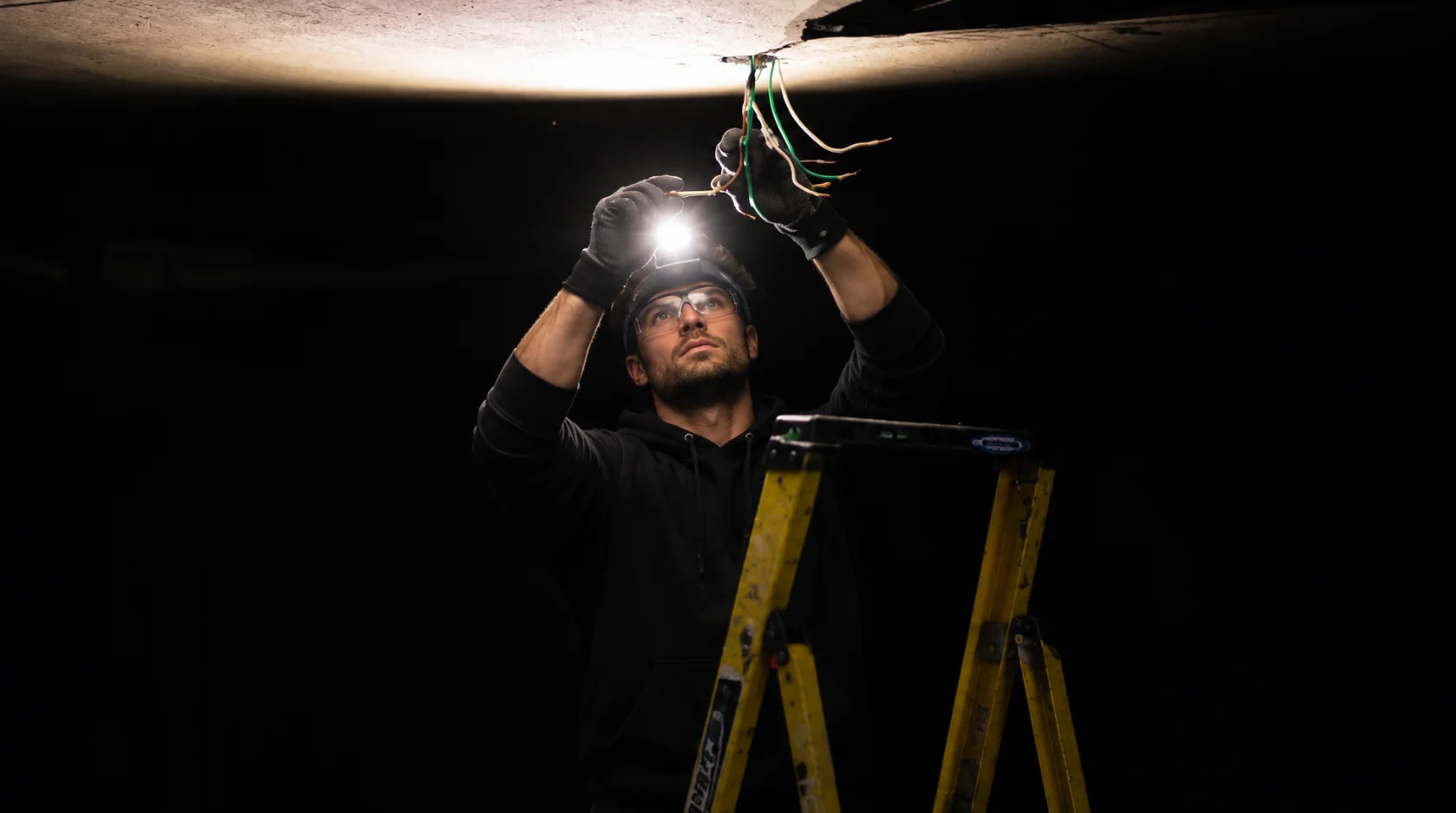
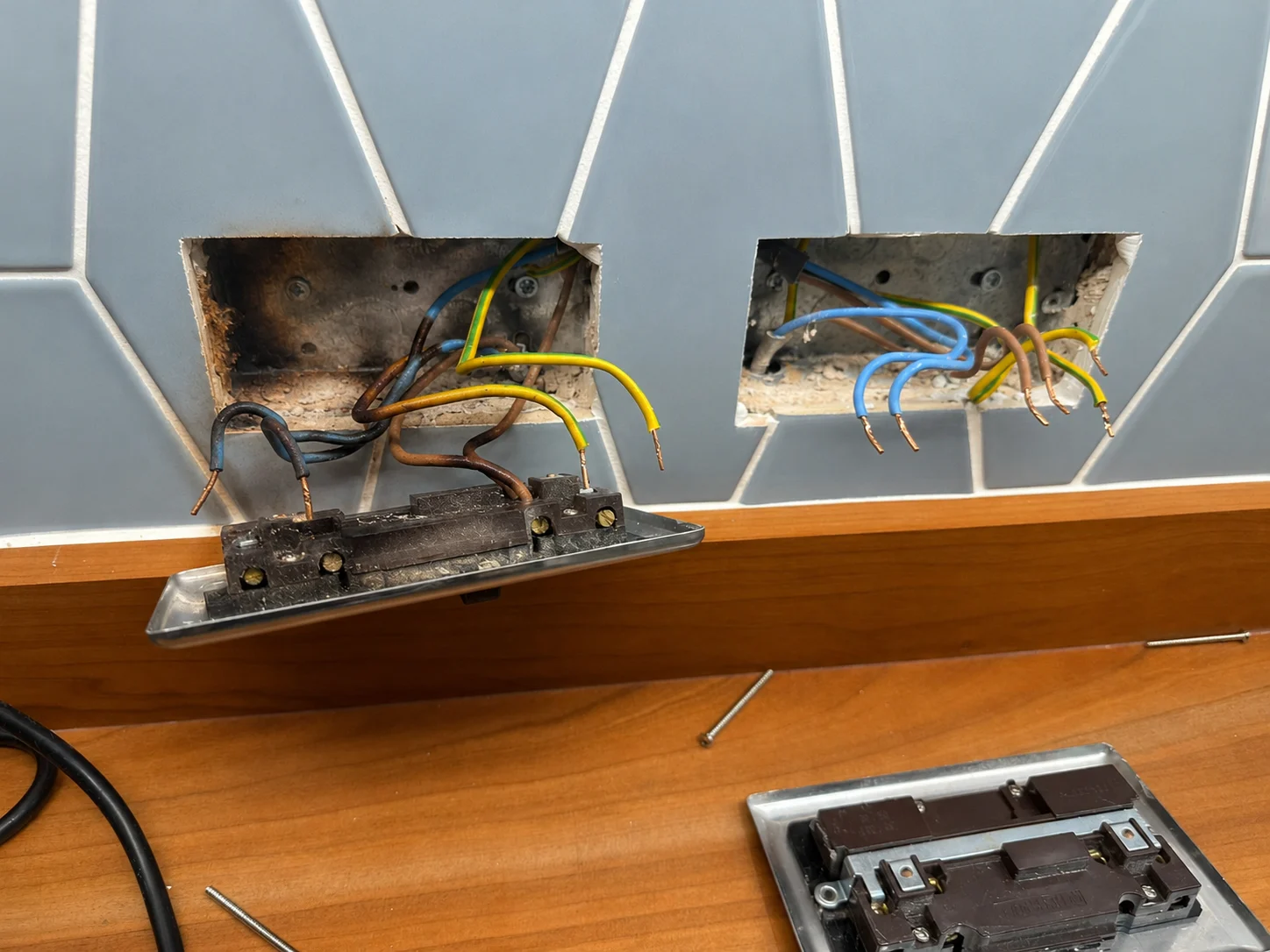
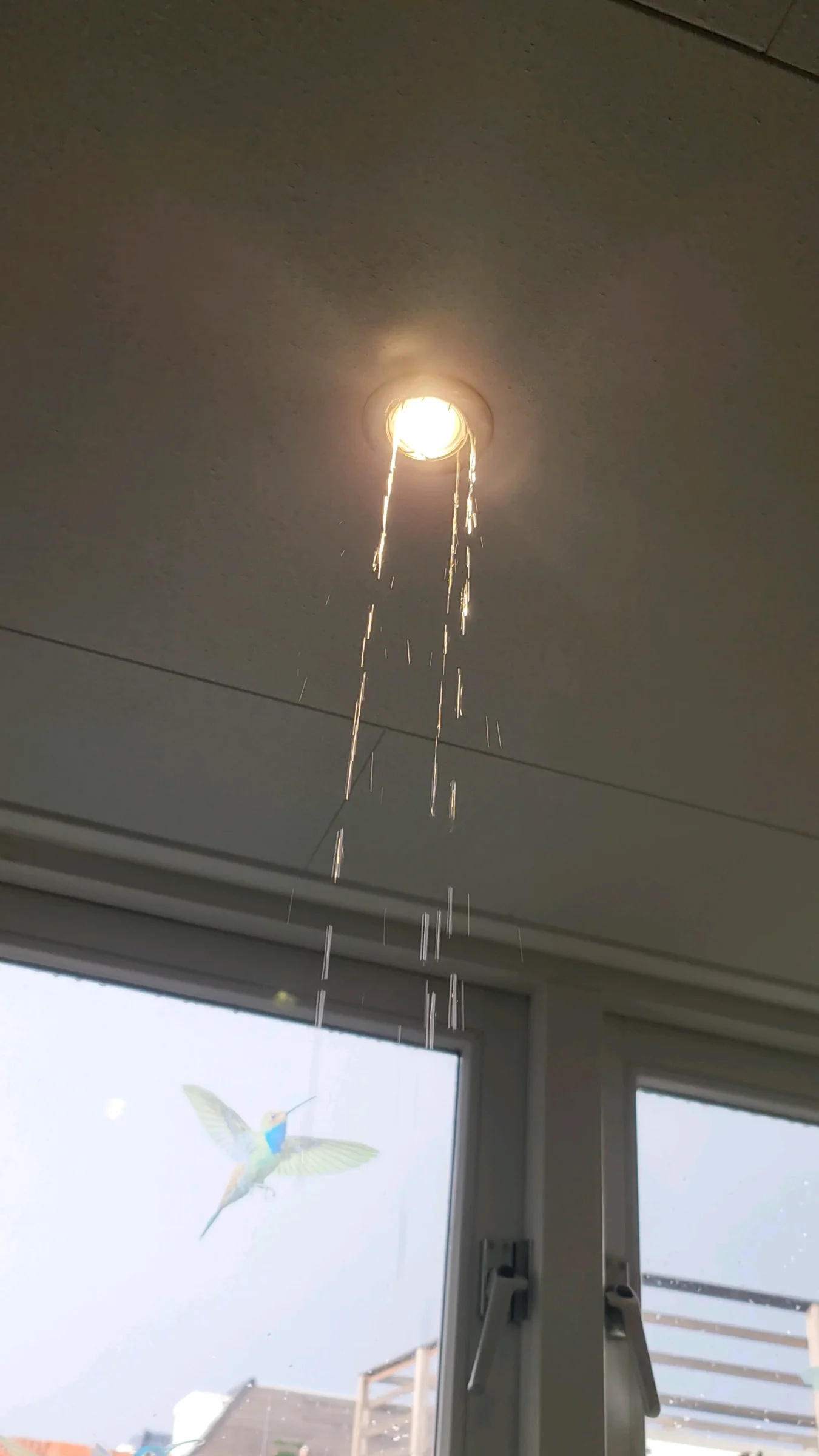
A burst pipe, a leak from the bathroom upstairs or a flooded room can quickly reach your electrics. Water dripping from a light fitting or pooling near sockets is dangerous and needs dealing with straight away. Our emergency electricians in York, Middlesbrough, Newcastle, Reading and Oxford isolate the affected circuits, make your property safe and test everything before it's used again.
What to do if water reaches your electrics
- Don't touch switches, sockets or appliances in wet areas
- If you can reach the main switch safely, with dry hands and without standing in water, switch it off
- Turn off the water at the stopcock to stop the leak
- Keep everyone out of wet rooms
- Never use a fitting that has had water in it until it's been tested
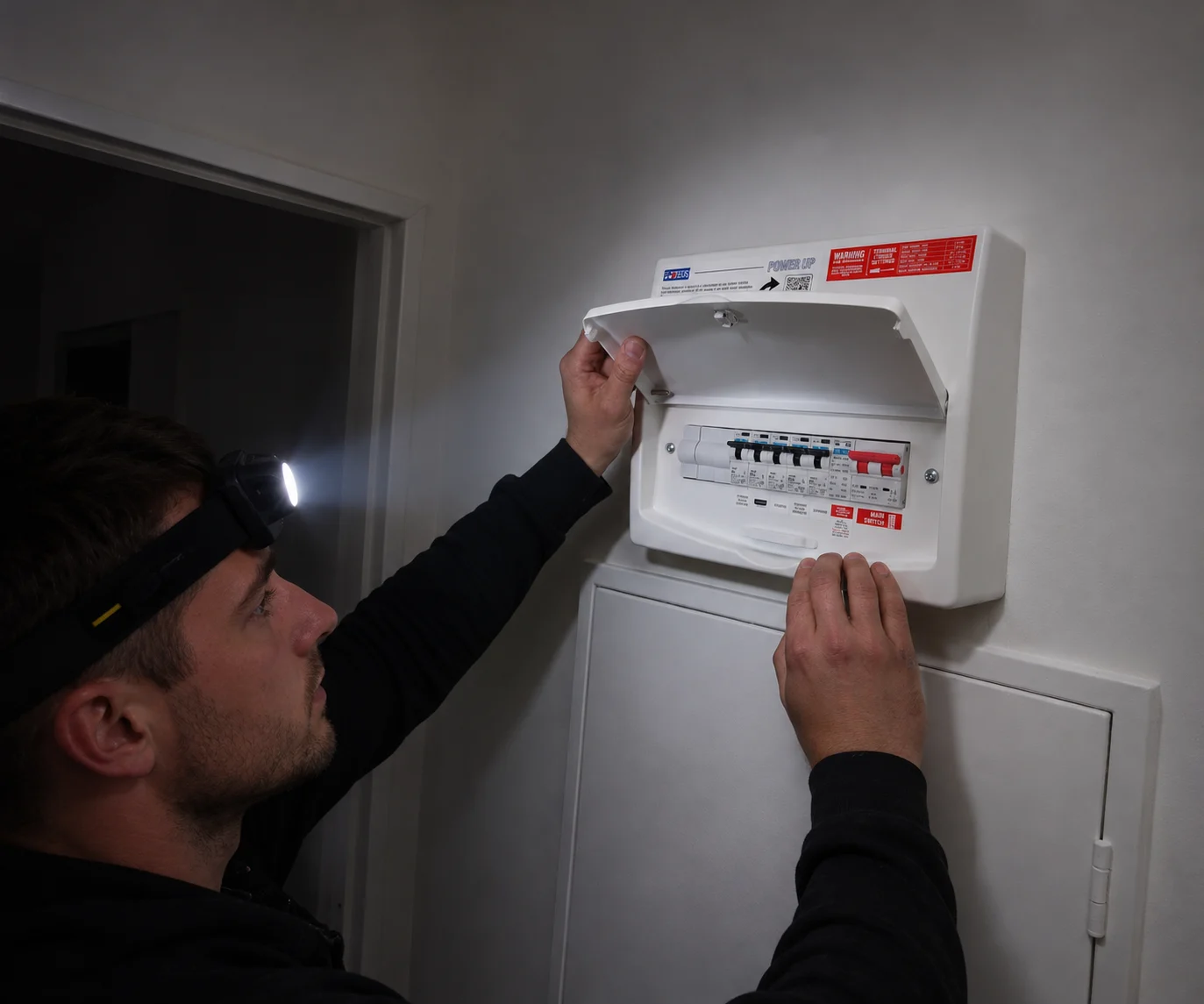
If the consumer unit itself is wet, or you can't reach it safely, don't touch it. Call us, and if there's any risk to life, call 999.
Common causes of water in electrics
- Leaking pipes, tanks or bathroom fittings above ceiling lights
- Burst pipes in cold weather
- Roof leaks and storm damage
- Flooding in kitchens, cellars and garages
- Outdoor sockets and lights exposed to rain (tripping fuses and RCDs)
- Condensation in poorly ventilated rooms
Testing before the power goes back on
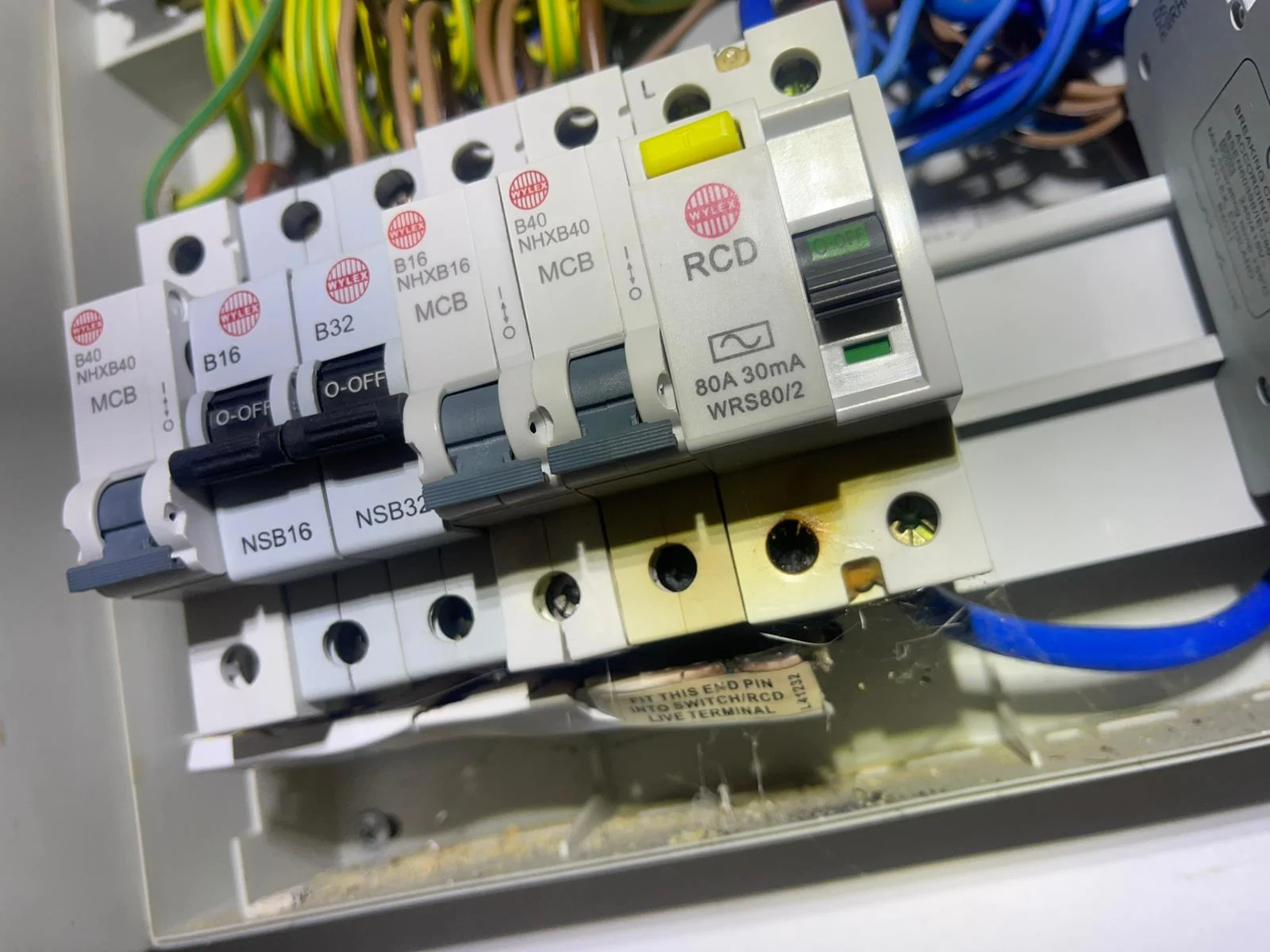
Water can damage wiring, fittings and accessories in ways you can't see. Even once things look dry, moisture can remain inside fittings and cable joints, and some damage may only show up later.
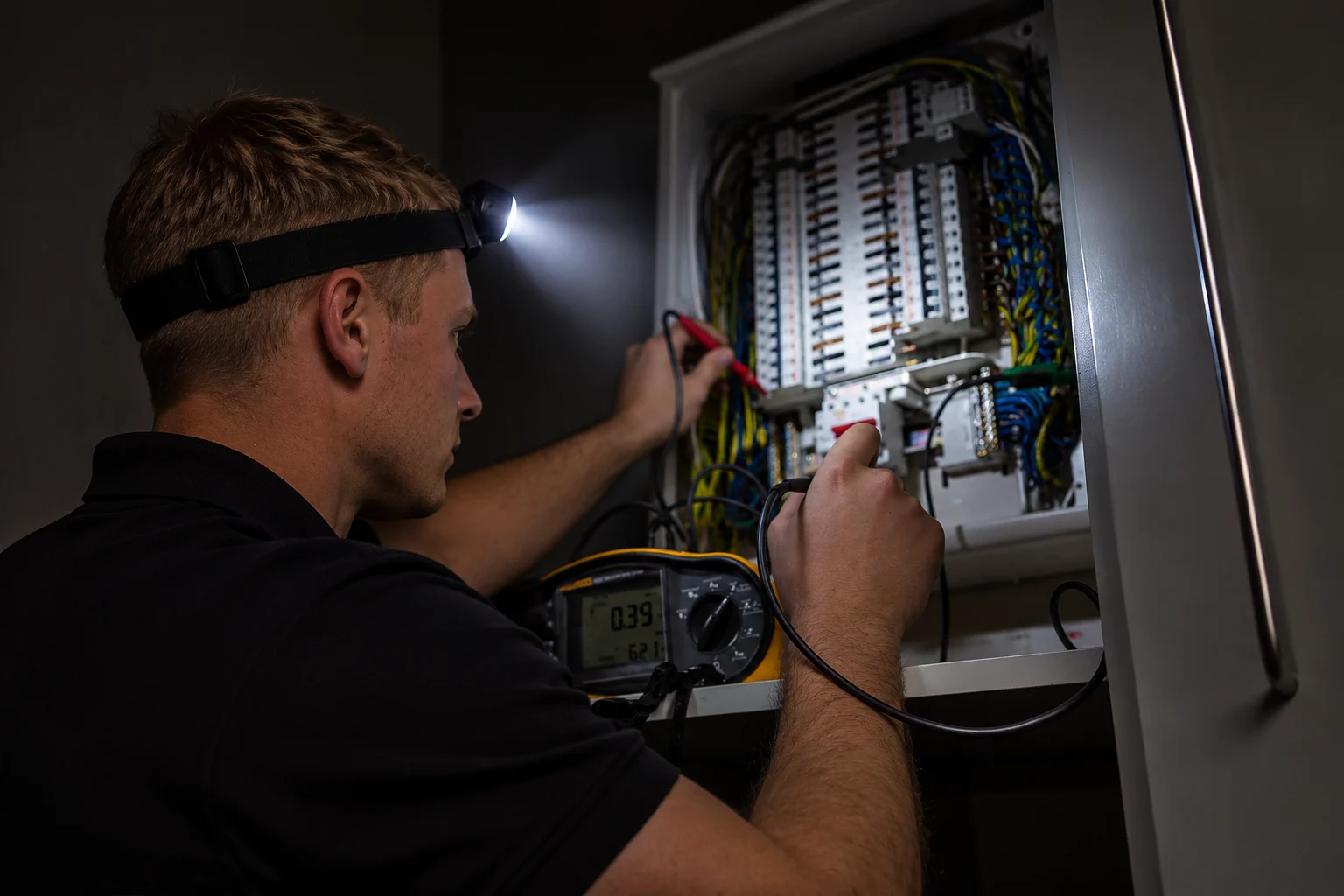
We carry out insulation resistance testing to check whether each circuit is safe, replace any fittings that have been damaged and restore power circuit by circuit. Where we can, we'll keep unaffected parts of the property powered while the rest dries out. If you've lost power completely, see power cuts and loss of power.
Help with insurance claims
If you're claiming on your insurance for water damage, your insurer may ask for evidence of the damage to your electrics and the work needed. We can provide a written report of what we found, what we did and any further work we recommend, which you can pass on to your insurer or loss adjuster.