Hot sockets and burning smells: Reading call-outs
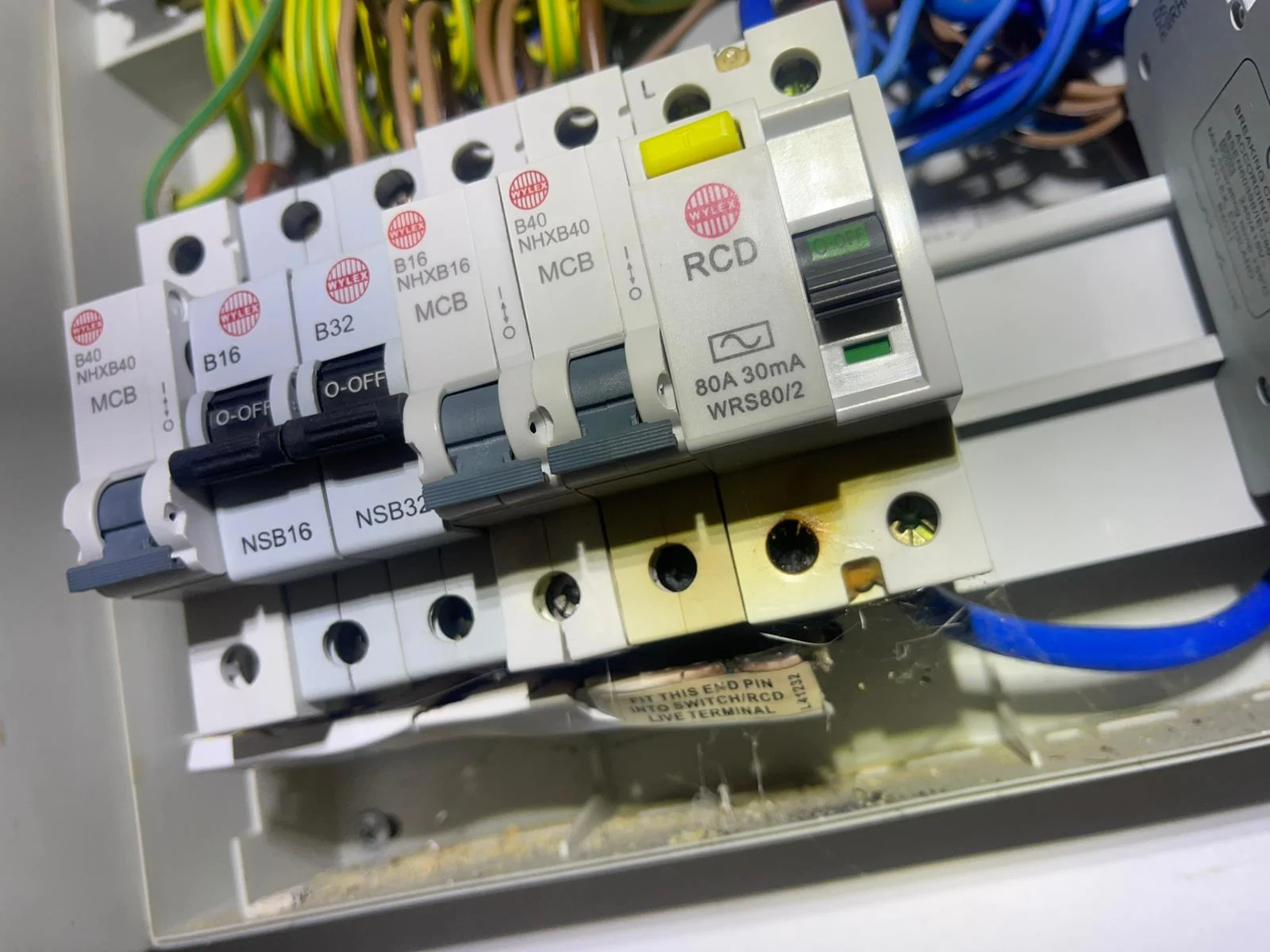
If there's a smell of burning you can't trace, or a socket is hot under your hand, don't wait to see if it settles. Overheating electrics in a Reading home, flat or business are a fire risk, and we treat burning smells and hot sockets as an urgent call at any hour. A smell coming from the consumer unit itself is just as serious, because it can point to a loose connection or a failing breaker inside the board.
Do this first
- Smoke, flames or a smell that's getting stronger: get everyone out and dial 999
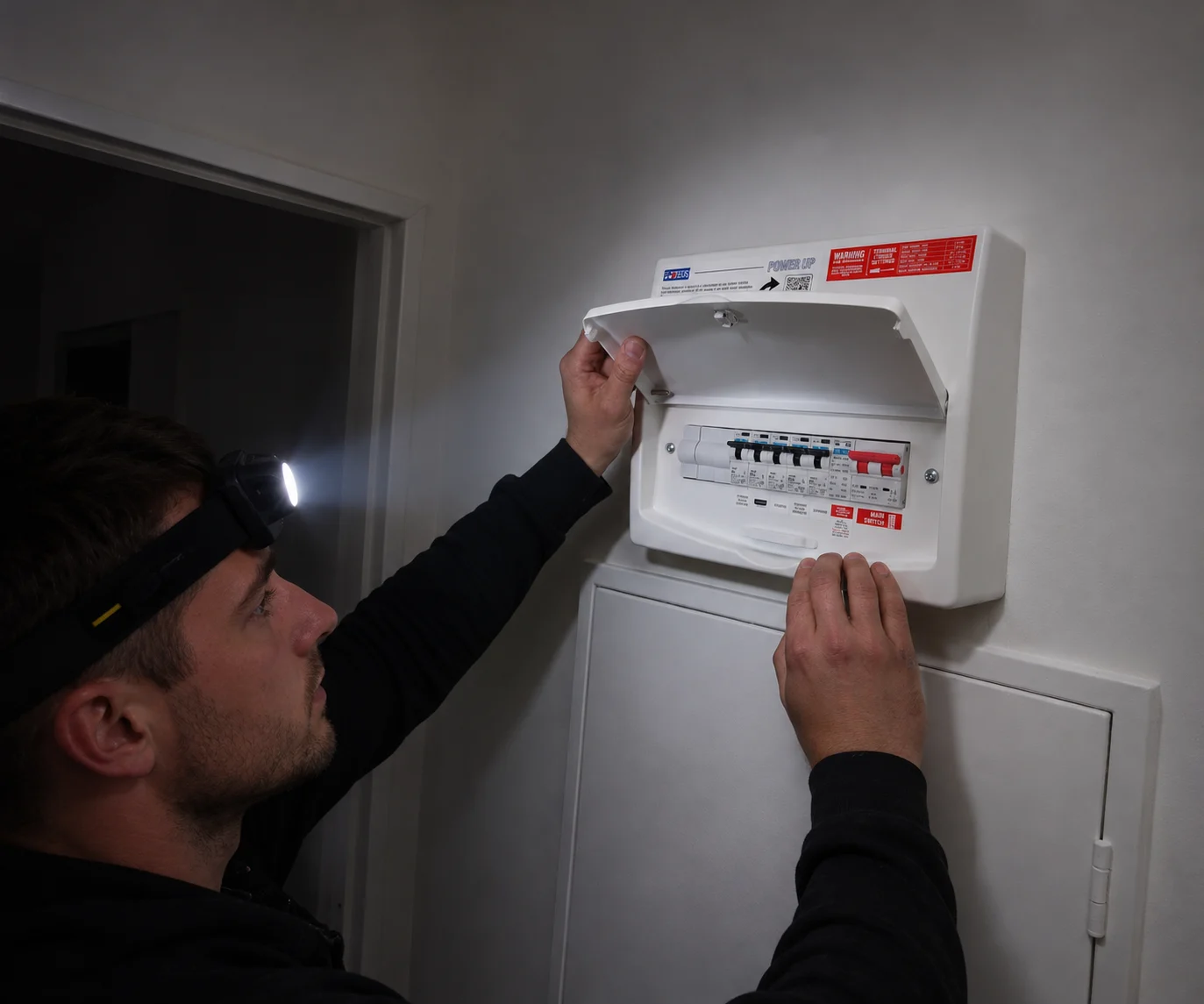
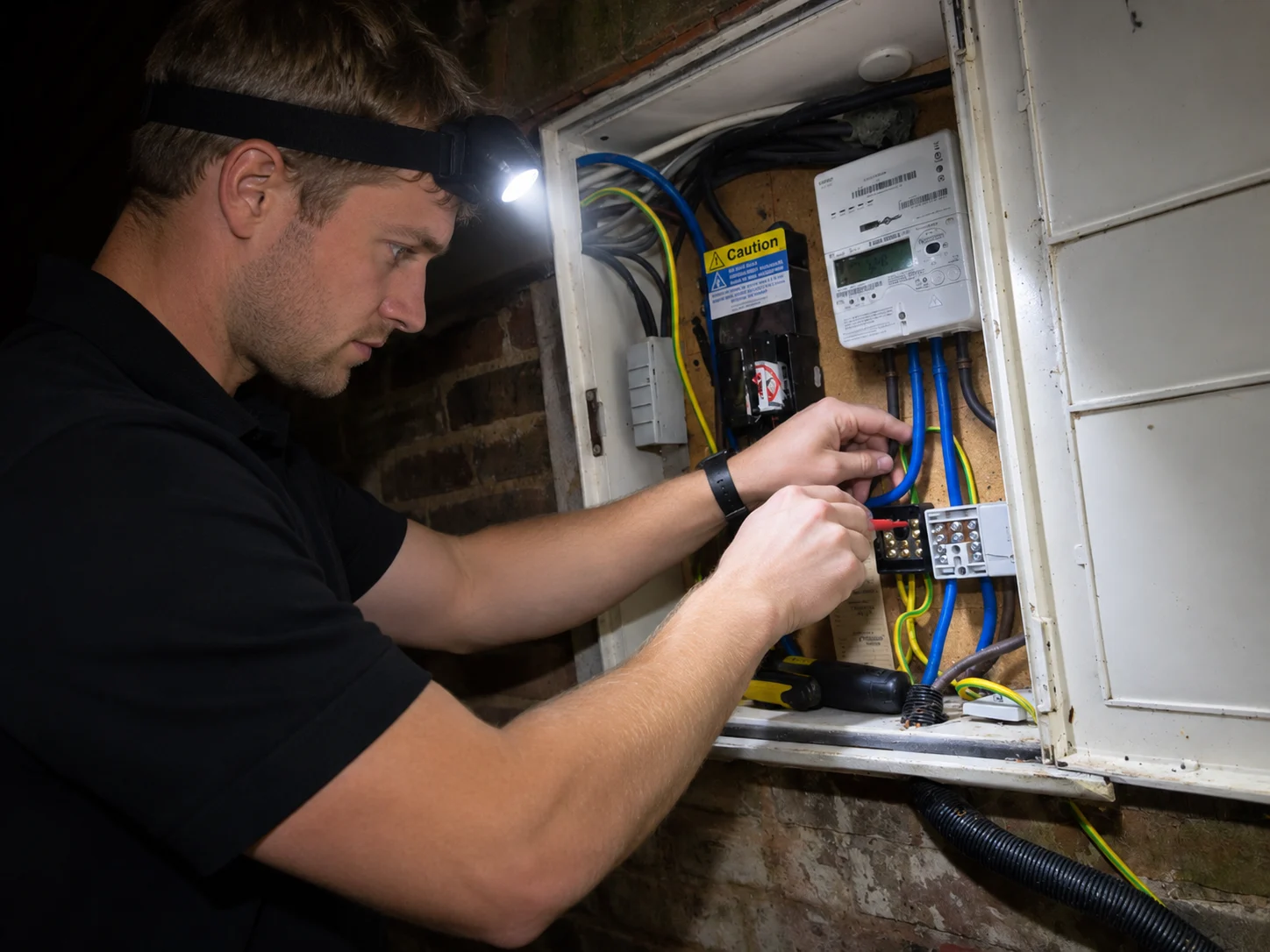
- If it's safe, switch off at the main switch on the consumer unit
- Switch the socket off and unplug only if you can avoid touching scorched or melted parts
- Put a note over the socket so nobody plugs anything back in before we arrive
Why fittings overheat
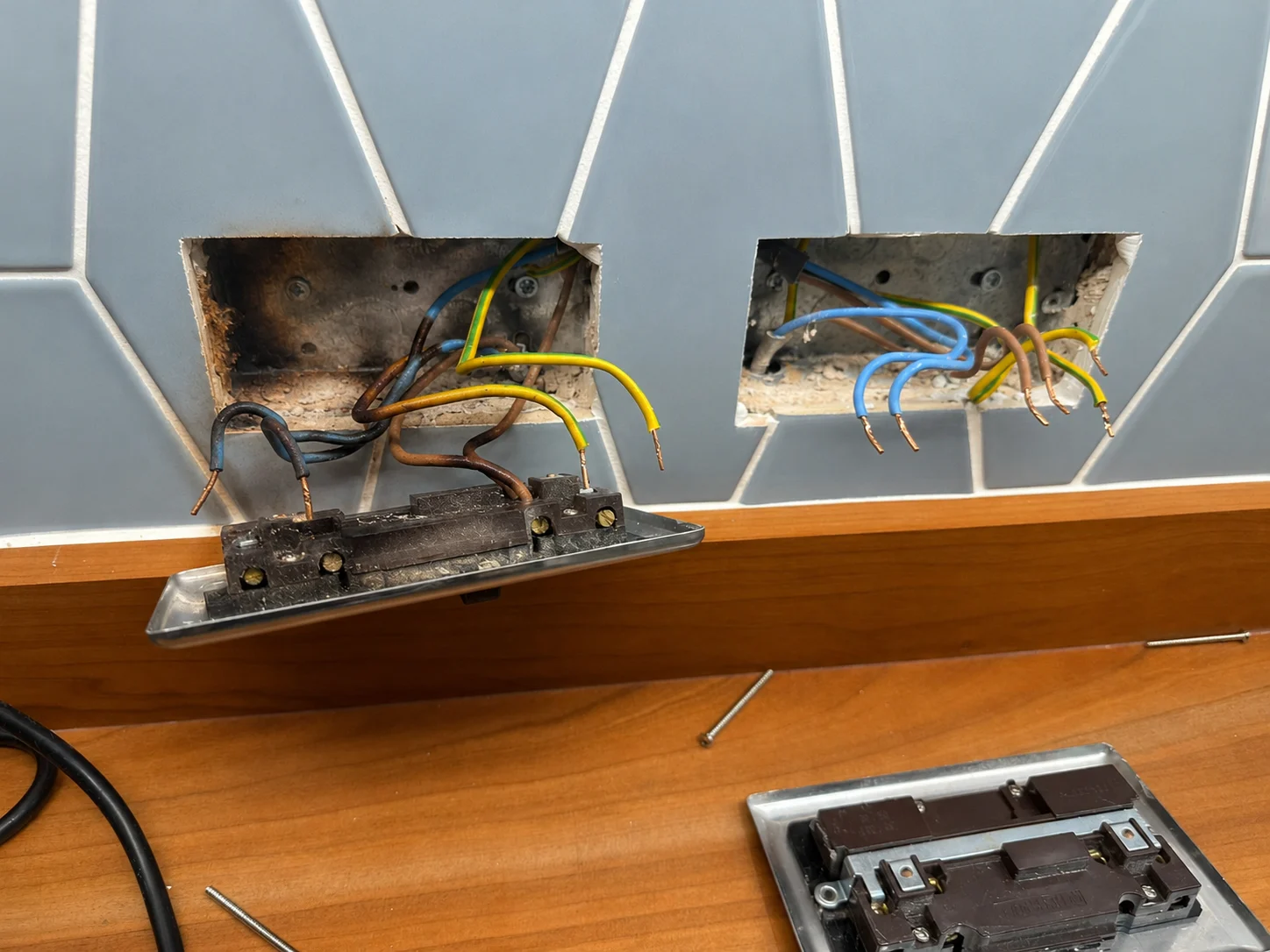
Heat builds wherever current meets resistance it shouldn't. The usual culprits are a loose terminal inside a socket or switch, a plug fitted with the wrong fuse, or a circuit being asked to carry too much, often a fan heater, tumble dryer or kettle running from an extension lead. Cheap adaptors, daisy-chained leads and worn sockets that no longer grip the plug firmly all add to the risk. A fishy smell is a classic sign of hot plastic.
What happens when we arrive
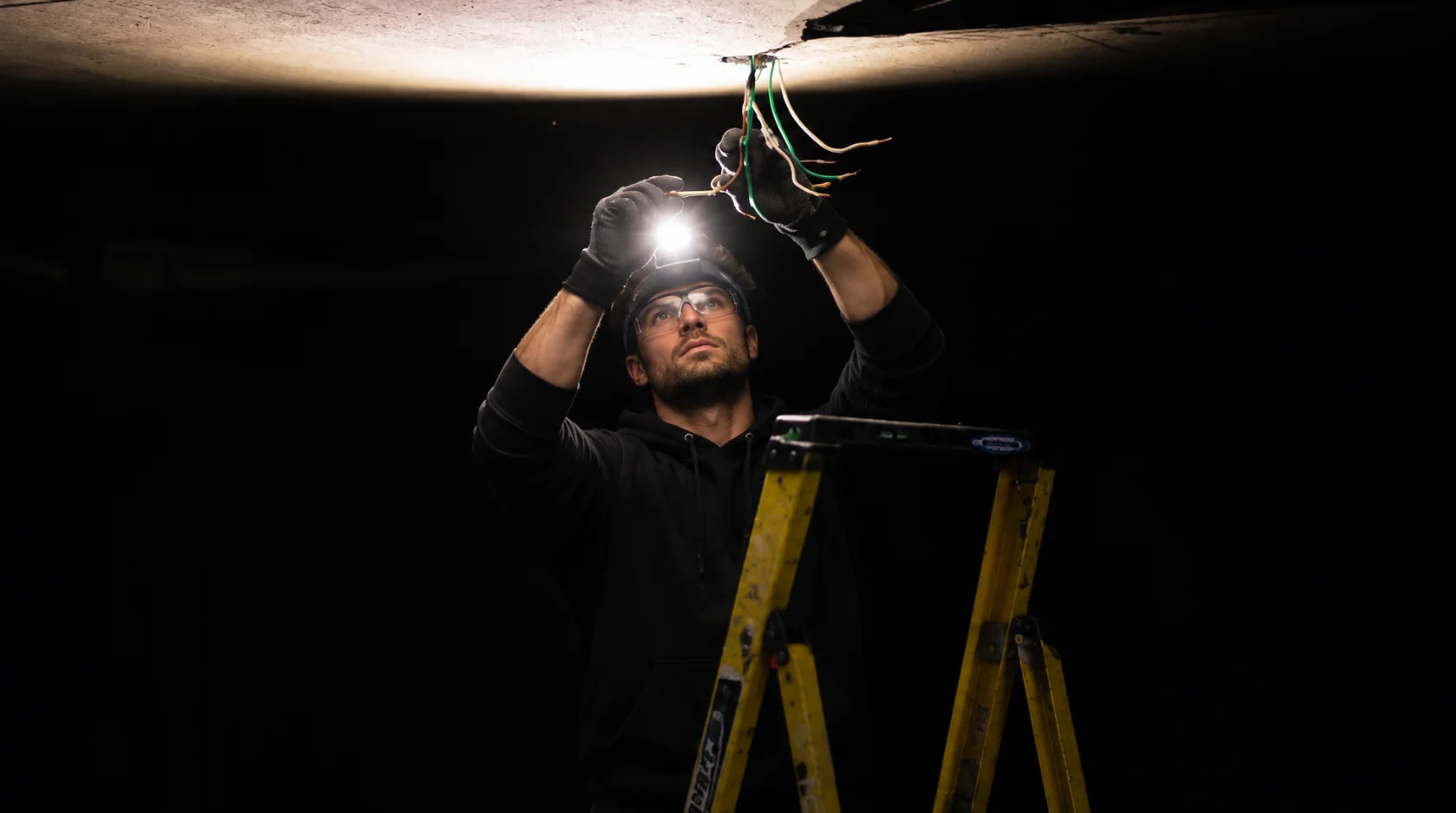
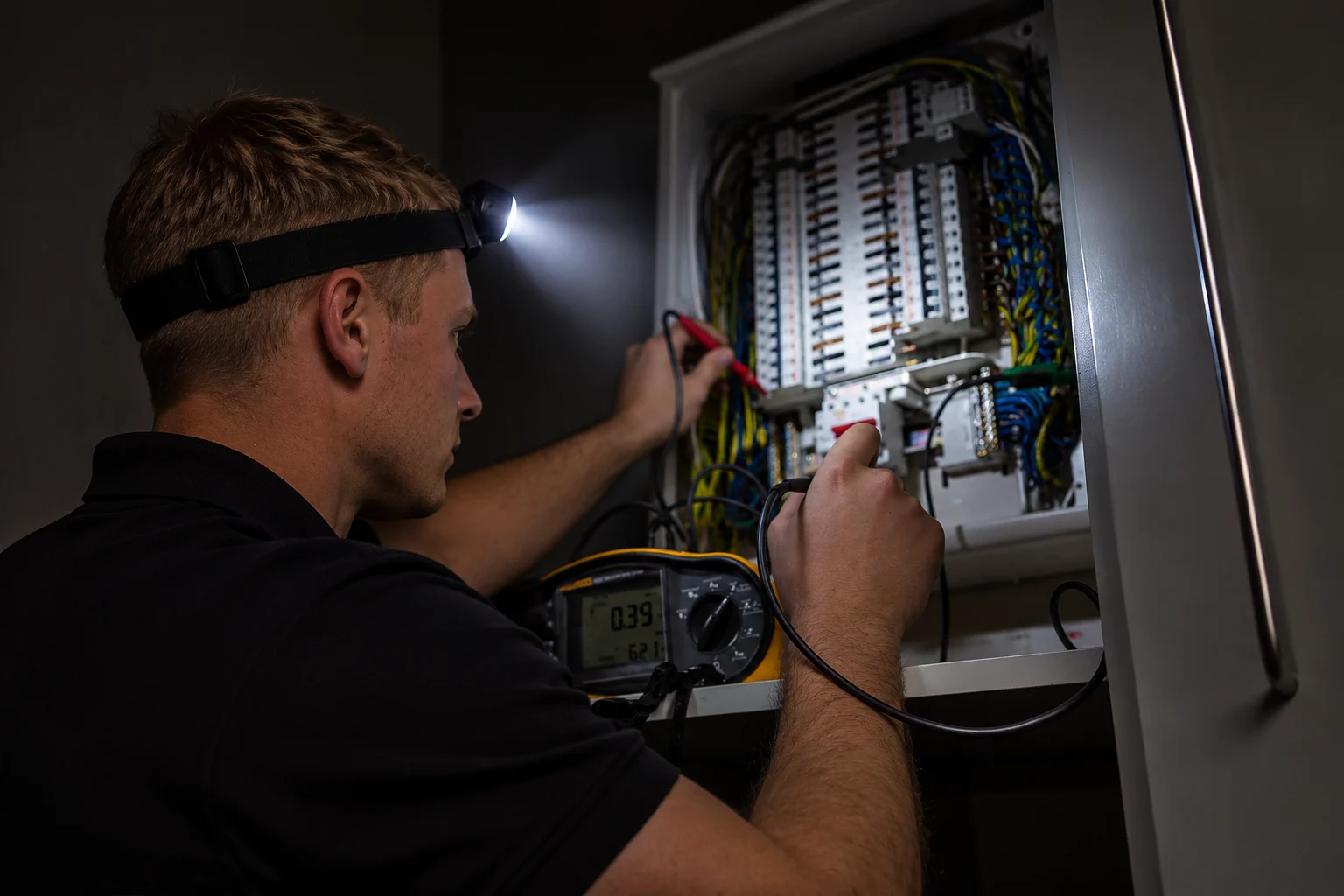
We isolate the affected circuit first, then open up the fitting to find the source. Scorched sockets, switches and connections are replaced, usually on the same visit because the van carries common fittings. We then check the rest of the circuit for the underlying cause, whether a loose connection elsewhere or an overloaded circuit, and test it fully before switching back on. If the smell comes with flickering lights or dead sockets, our emergency fault finding page explains how we trace wider problems. The price is agreed on the phone before we set off, and the finished repair is certified to BS 7671 and guaranteed.
How quickly we reach you
For a burning smell, speed matters. We usually arrive within 30 minutes in Reading town centre, Newtown and Katesgrove; around 60 minutes in Earley, Woodley, Caversham, Whitley, Southcote and Tilehurst; and within 90 minutes in Wokingham, Twyford, Theale, Pangbourne, Burghfield and Wargrave. Queues on the IDR and around the M4 junctions can affect timings, so we'll give you an honest estimate and text when we set off. Check the response times for Reading.
Cutting the risk afterwards
Once you're safe, a few habits help: keep heaters and other high-power appliances off extension leads, never plug one lead into another, replace cracked plugs and sockets promptly and check that plug fuses match the appliance. If a fault has also tripped your RCD, see tripping fuses and RCDs; for out-of-hours help with anything else, our emergency call-outs run 24/7.