What to do about a burning smell or hot socket in York
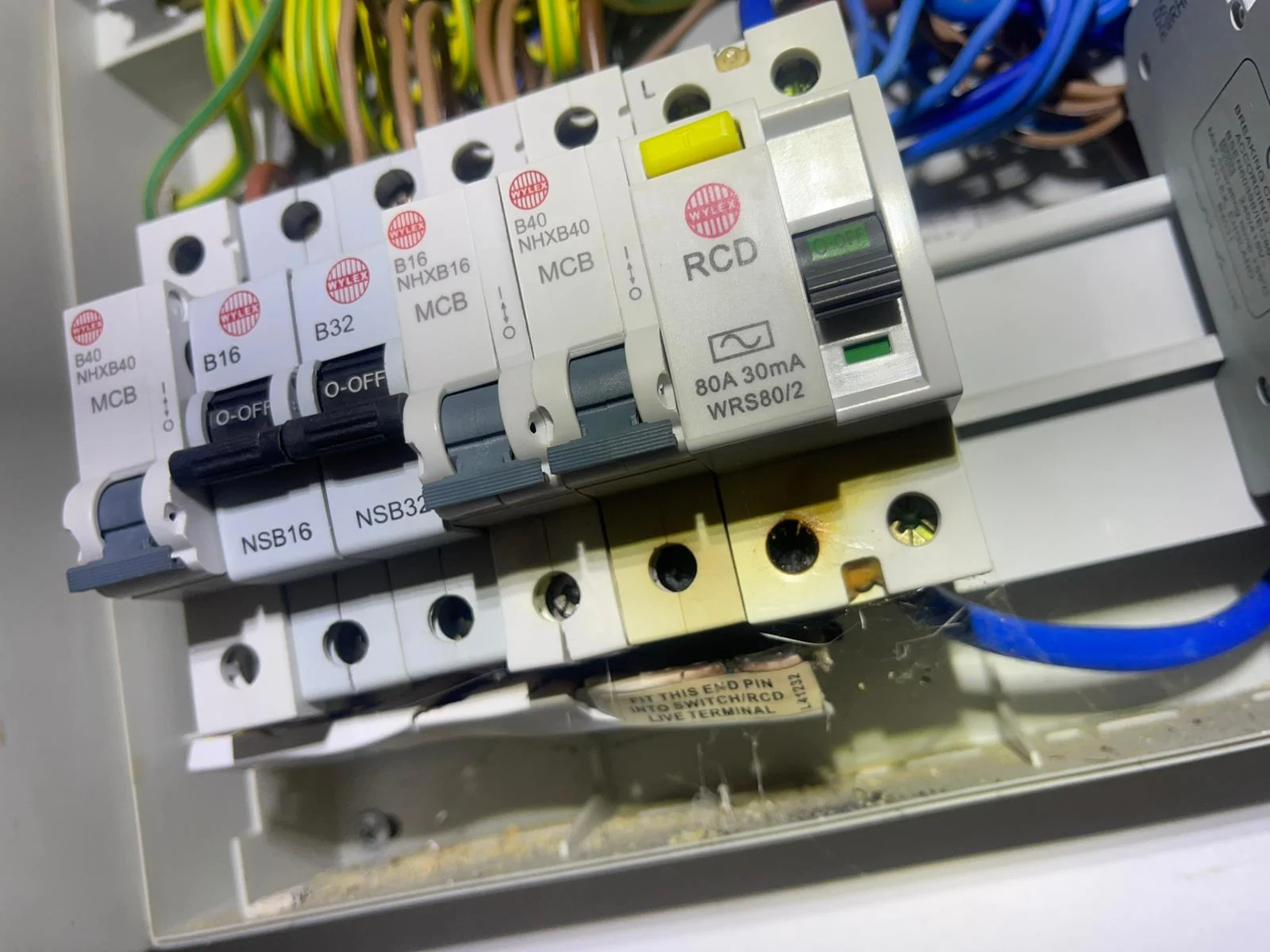
A burning smell you can't trace, or a socket that's warm when nothing heavy is plugged in, means a connection or fitting is overheating. In York we treat these as priority emergency call-outs, because overheating tends to get worse rather than better, and the next stage can be melted insulation or a fire. A new appliance or dust on a heater can smell odd at first, but if there's no obvious, harmless source, treat the smell as electrical and don't wait to see whether it fades.
Do this first
- If you can see smoke or flames, get everyone out and call 999 before anything else
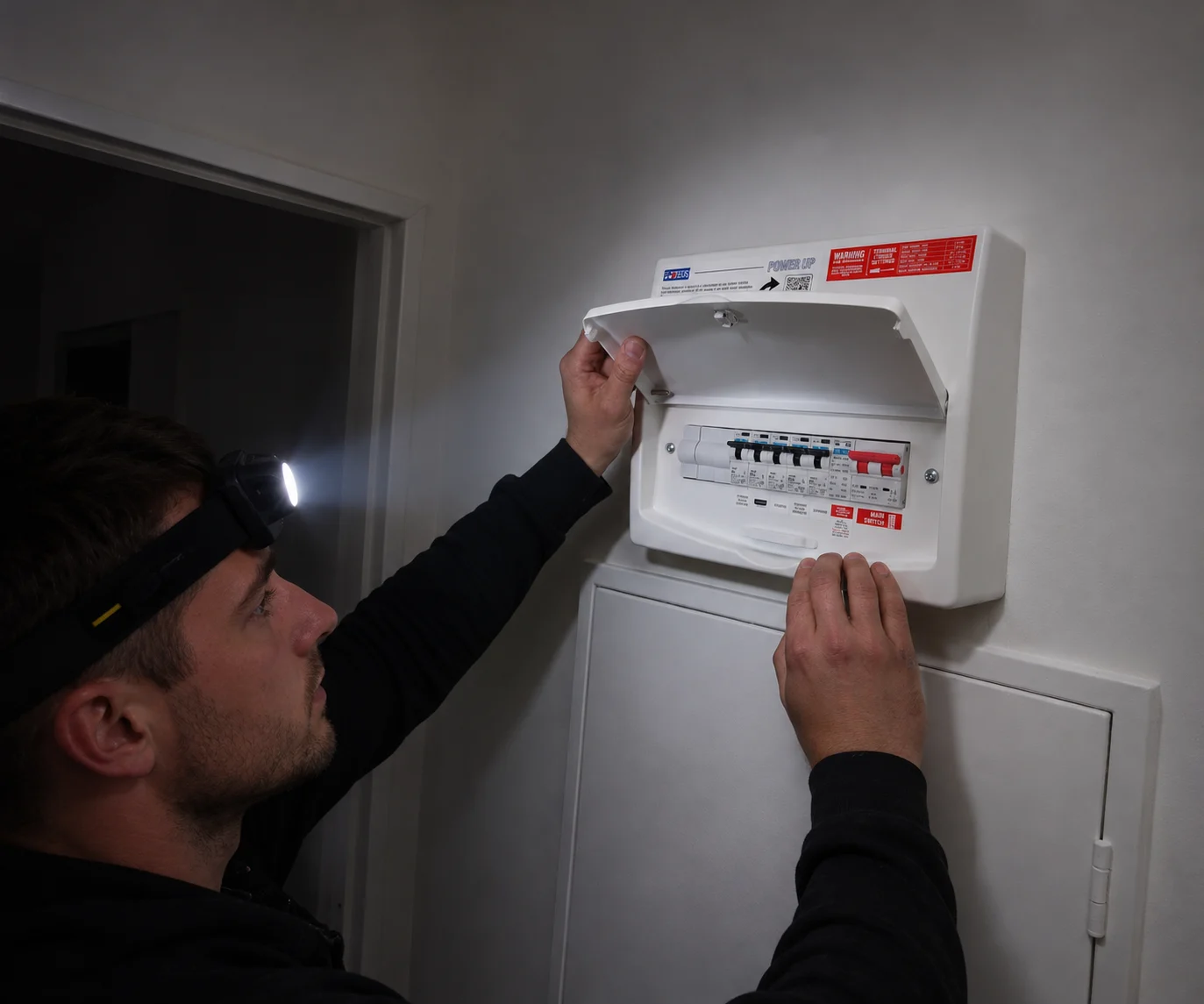
- If there's no fire, turn off the main switch at the consumer unit, provided it's safe to reach
- With the power off, unplug whatever was in the hot socket, holding the plug rather than the cable
- Don't plug anything back into that socket or lead until an electrician has seen it
- Keep children and pets out of the room
Then call us. We'll talk you through anything else that needs doing while the electrician is on the way.
Why sockets and plugs overheat
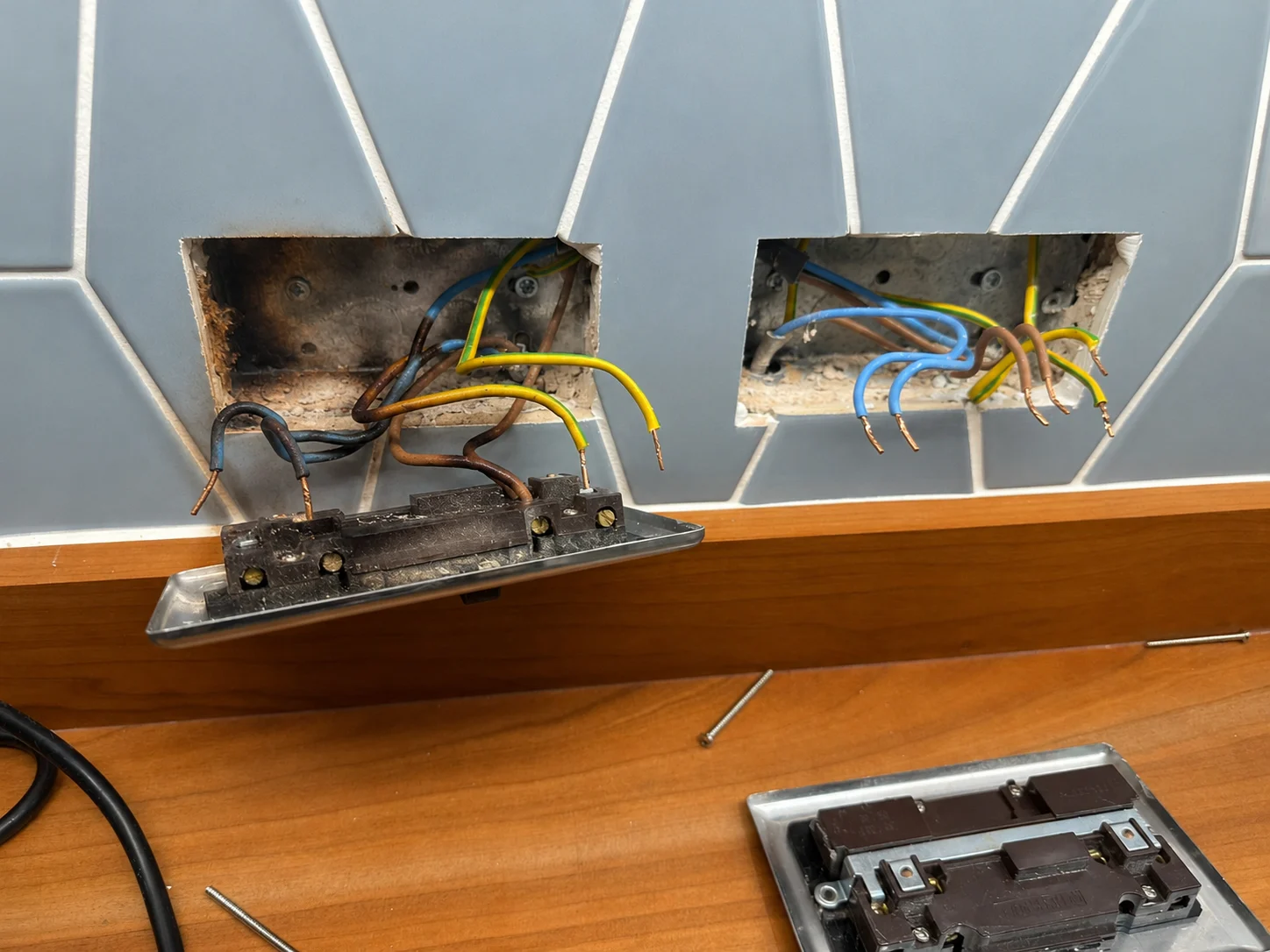
Overheating usually comes down to resistance: a loose terminal in a socket or plug, a worn switch contact, or a cable that's been nicked and partly broken. Each one creates a hot spot. Overloading makes it worse, especially fan heaters, tumble dryers or kettles running through an extension lead, or one lead plugged into another. A plug fitted with the wrong fuse rating is another regular cause. Where the heat has made a breaker or RCD trip, our tripping fuses and RCDs in York page explains what that means.
Getting to you quickly
Because burning smells are a priority, the closest available electrician is sent straight away. Usually that means within 30 minutes in the city centre, around the Minster, Micklegate and Walmgate; within 60 minutes for Acomb, Holgate, Clifton, Fulford and Heworth; and within 90 minutes for Strensall, Haxby, Easingwold, Copmanthorpe and the villages. We'll give you a realistic time on the phone, allowing for ring-road traffic, and text you a live arrival time. Our response times across York are set out on the main York page.
What the electrician does on site
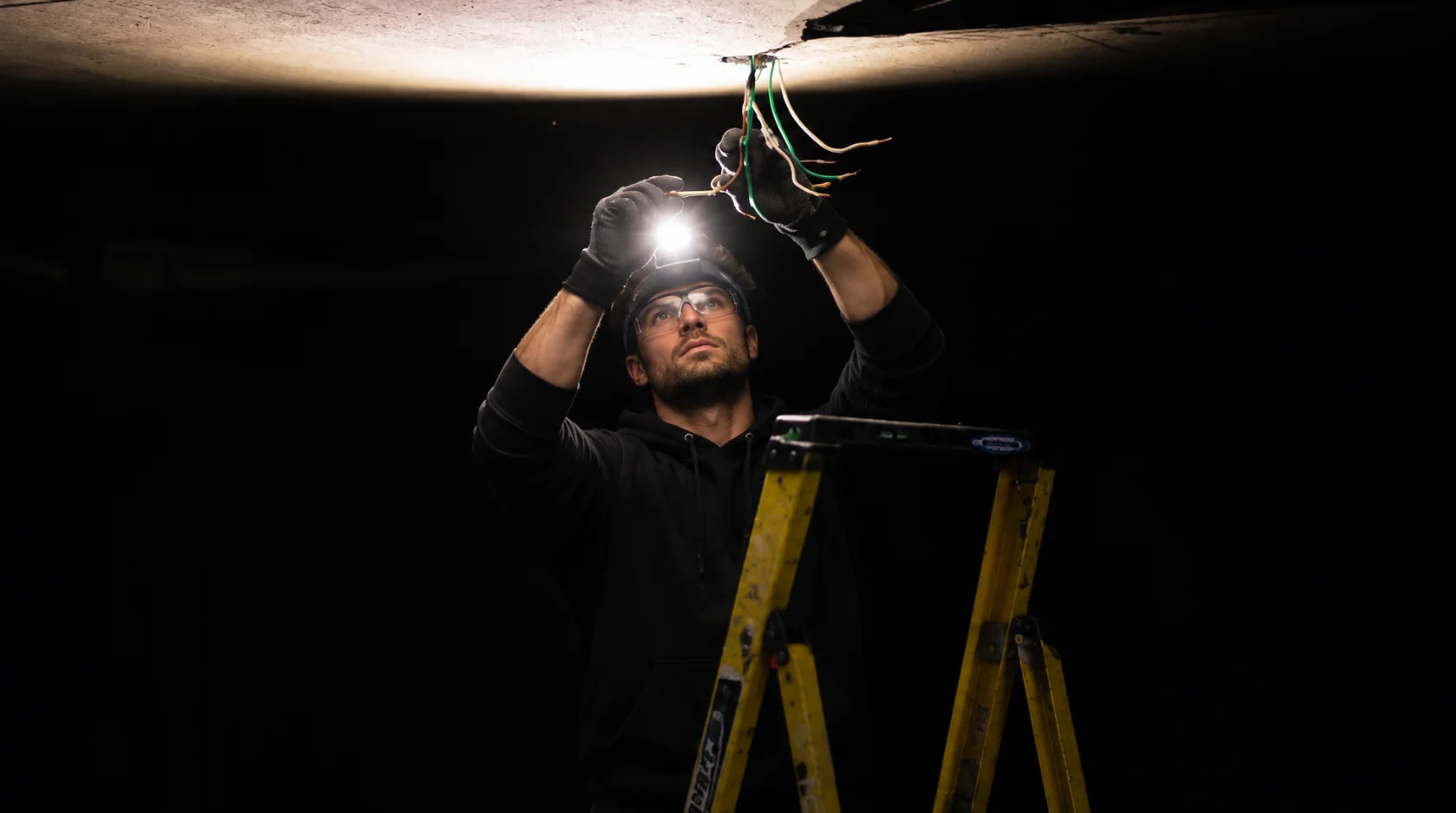
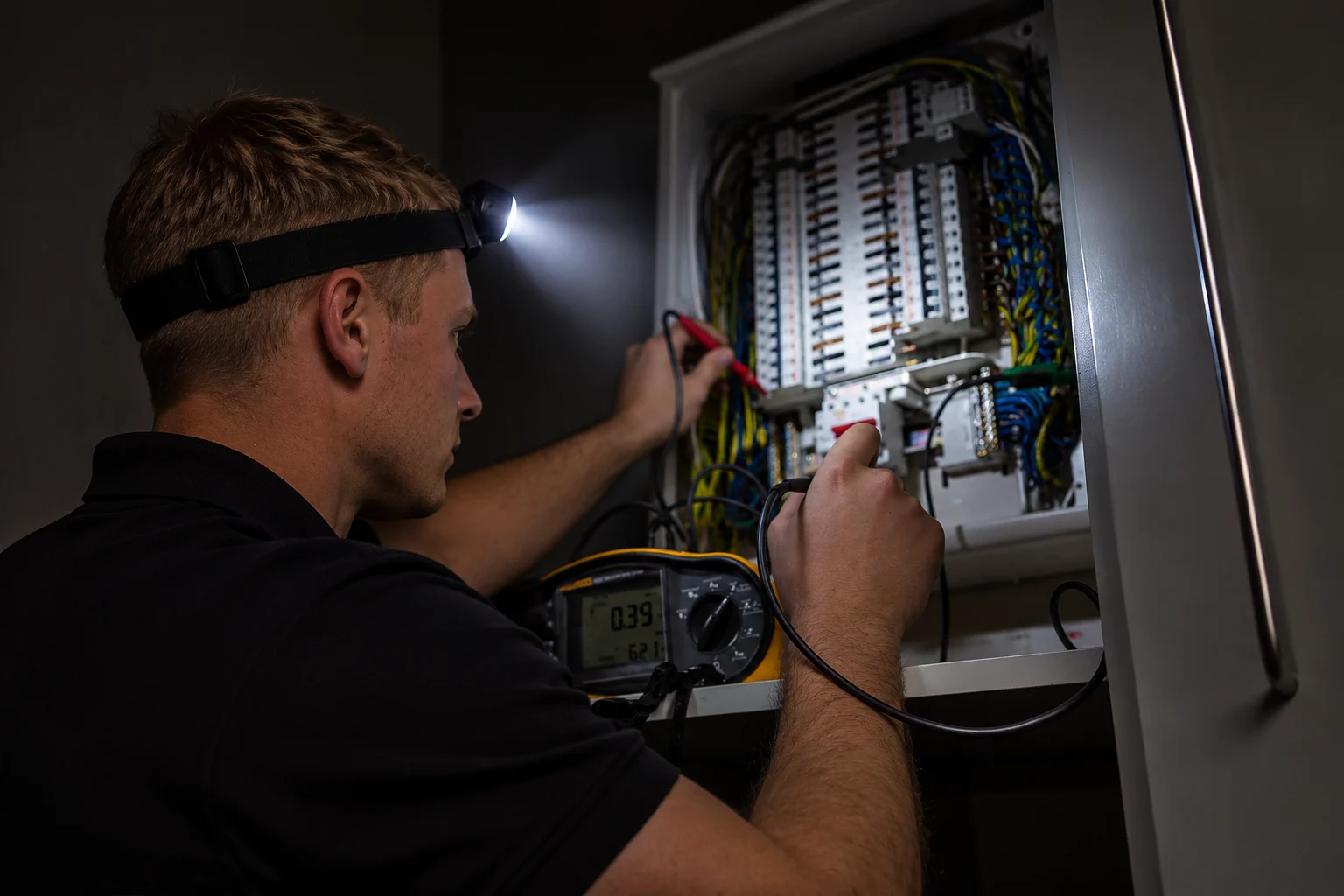
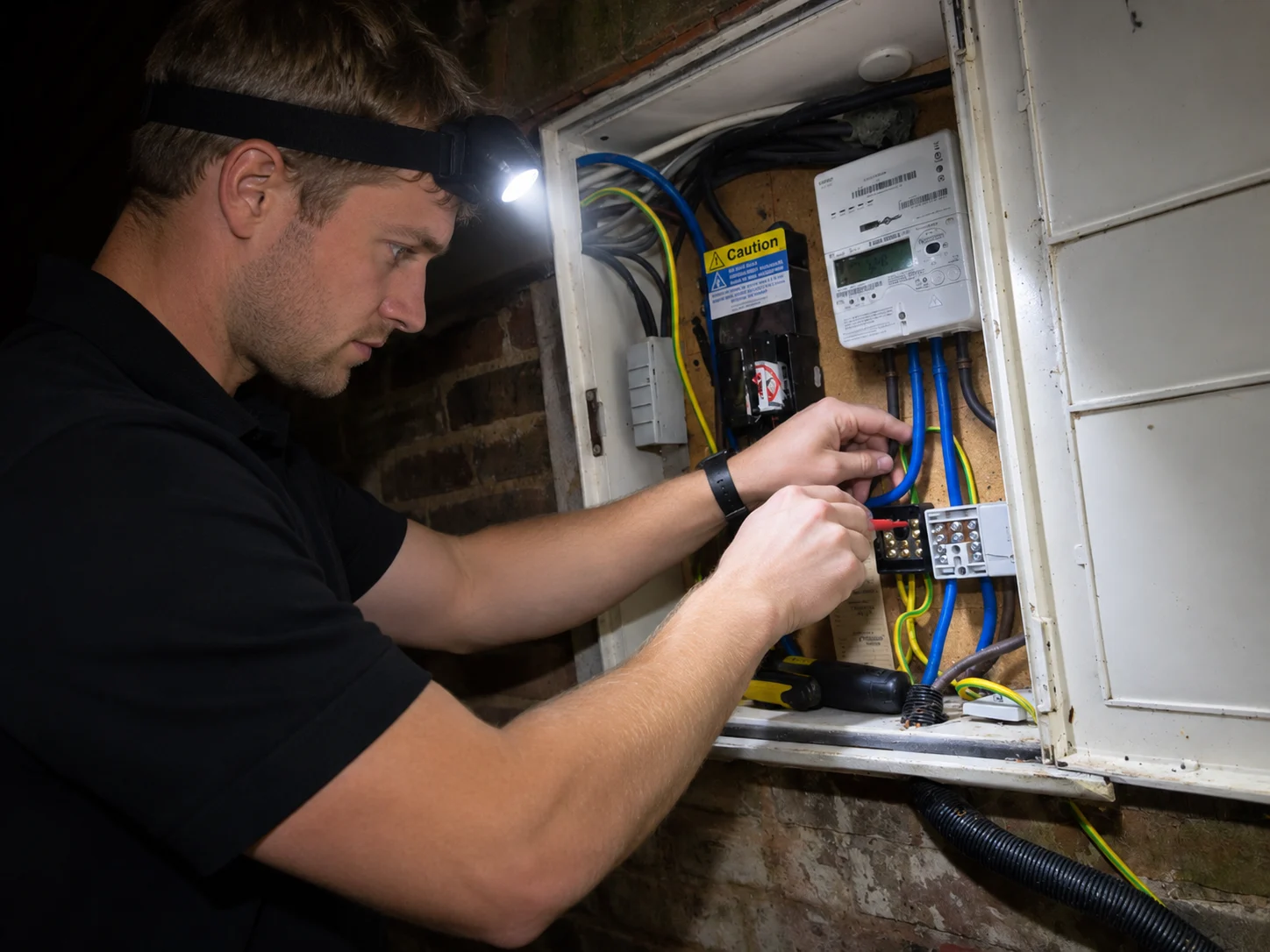
The affected circuit is isolated first. We then open up the fitting, find the source of the heat and check the wiring either side of it for damage. Scorched sockets, switches and connectors are usually replaced there and then from the van. Before power goes back on, we look for anything else driving the problem, such as an overloaded circuit, and test it fully. Every repair is certified to BS 7671 and guaranteed. If you're not sure the smell is electrical at all, our emergency fault finding in York service can track it down.