Burning smells and hot sockets in Newcastle: act now
A burning smell in your Newcastle home or a socket that feels hot is not something to sleep on. Heat at a fitting usually means a connection is failing or a circuit is carrying more than it should, and both can end in a fire. We treat these calls as a priority across Newcastle upon Tyne, Gateshead and North Tyneside, at any hour.
Right now: three things to do
- Any smoke or flame at all: everyone out, then dial 999 from outside
- If not, turn off the main switch at the consumer unit, as long as you can reach it safely
- Once the power is off, unplug anything from the hot socket and don't use it again until it has been checked
Please don't unscrew a faceplate or open up the consumer unit to look for the source yourself.
Where the heat comes from
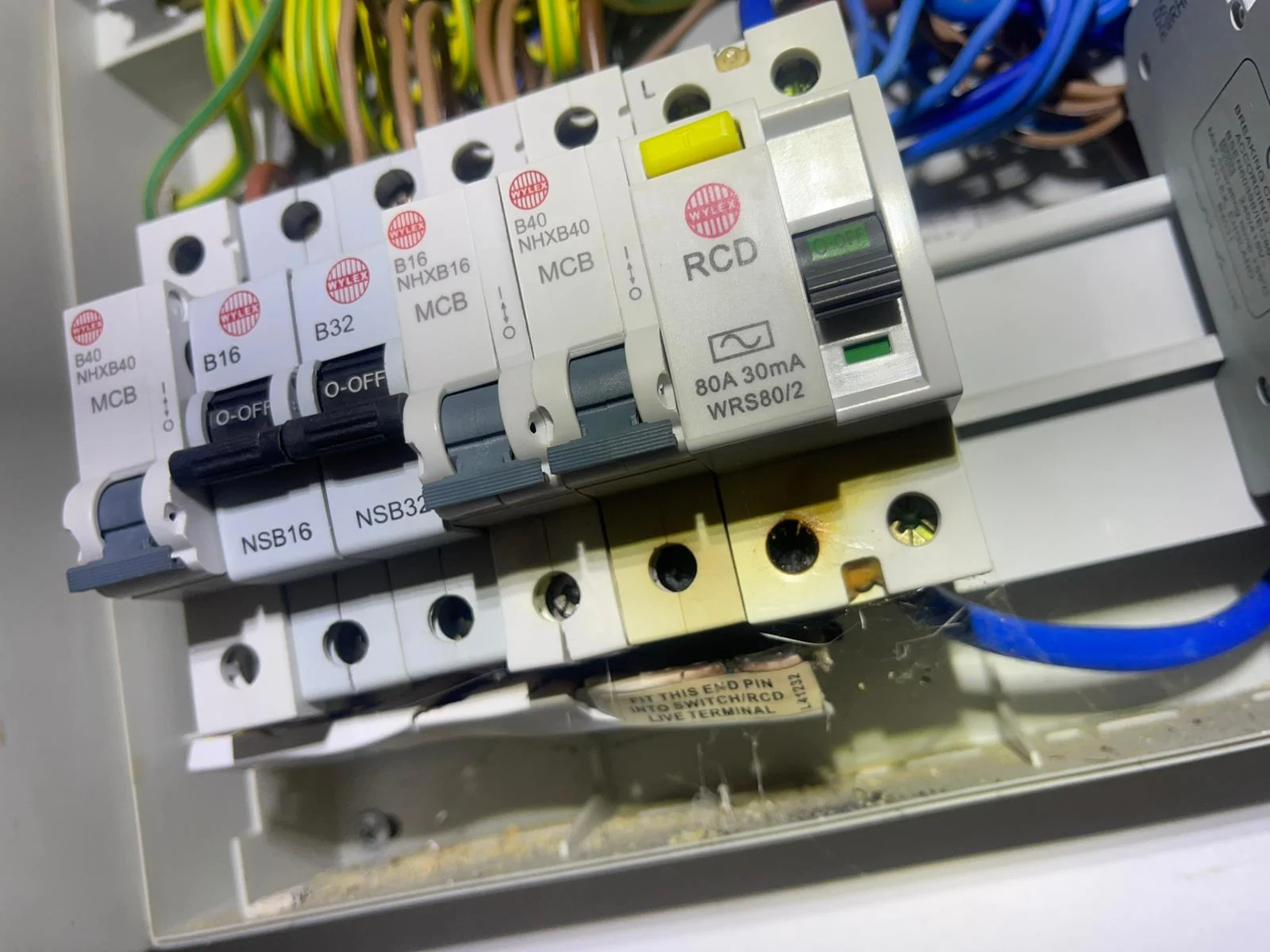
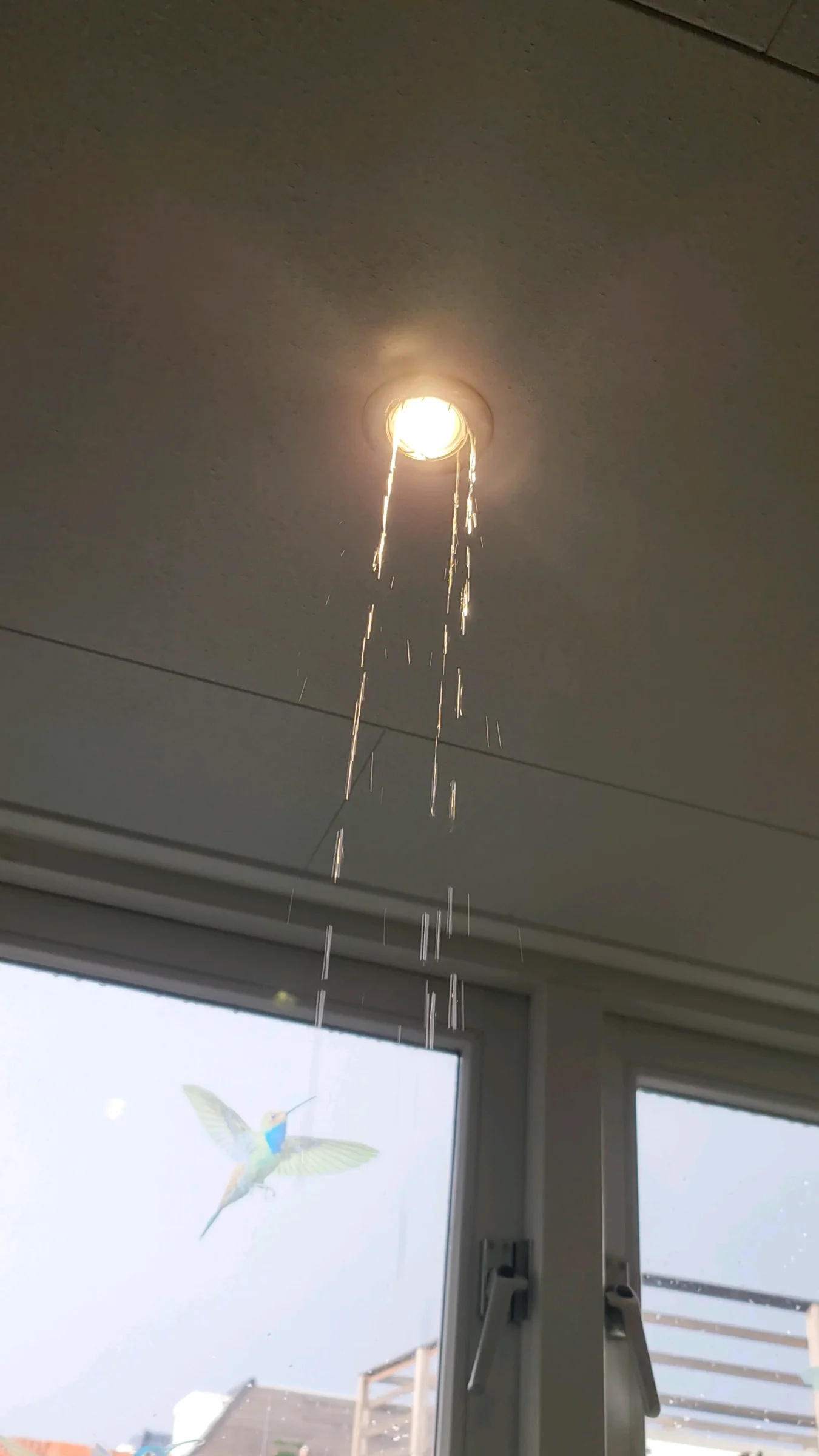
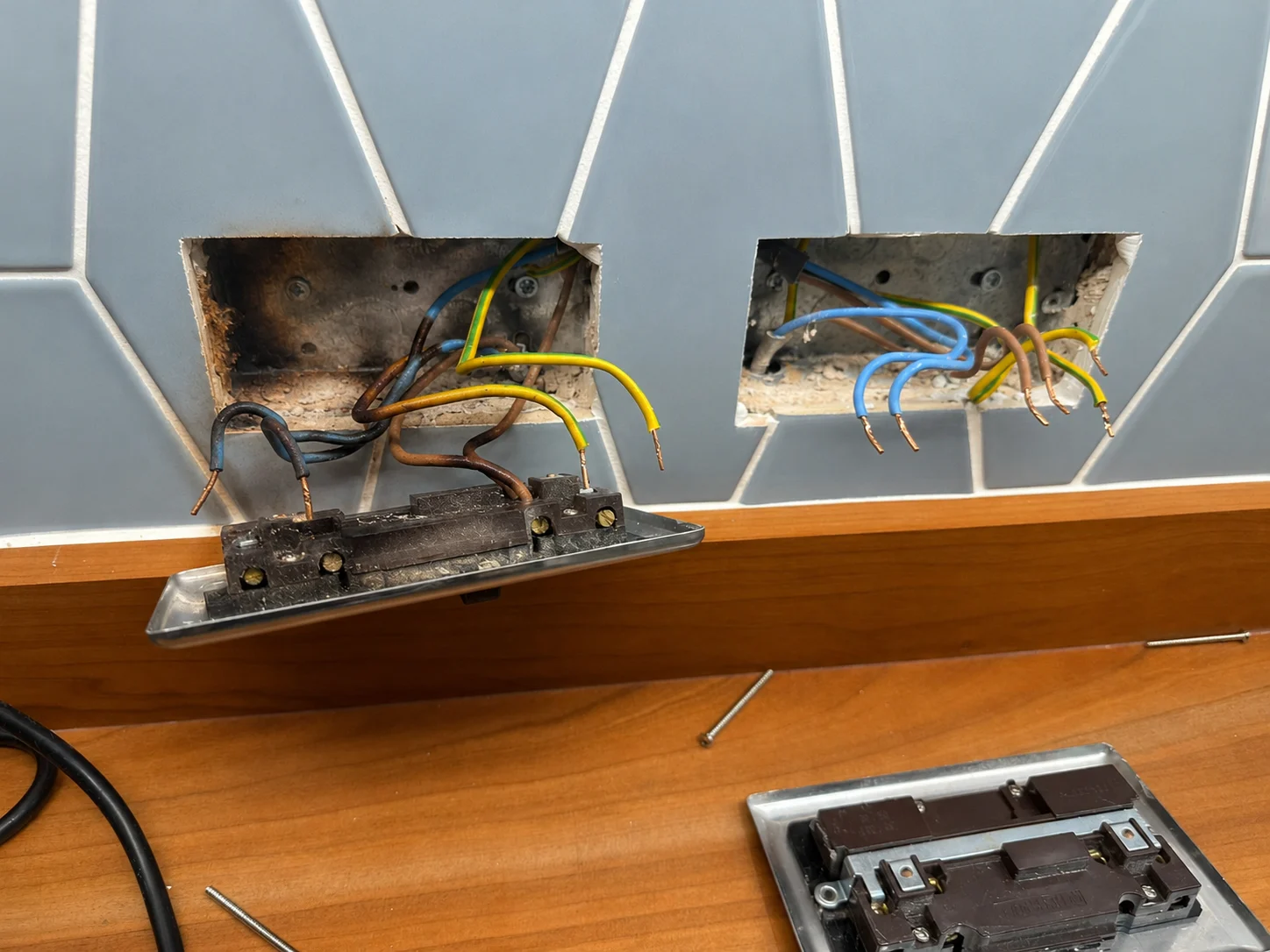
Most overheating starts at a connection: a screw terminal that has worked loose, a plug with a worn pin or a fitting that has aged past its best. Resistance at that point turns current into heat, which slowly scorches the plastic and gives off the fishy or acrid smell people tend to notice first. Overloading does the same thing faster, especially with heaters, tumble dryers or kettles running from one extension lead, or one lead plugged into another. The wrong fuse in a plug can also let a flex run hotter than it should.
Reaching you quickly across the city
Because these calls are urgent, location matters. Around Grey Street, Ouseburn, the Haymarket and the rest of the city centre and Quayside, we usually arrive within 30 minutes. Fenham, Heaton, Jesmond and Gosforth, together with Elswick, Benwell, Byker, Walker and Kenton, are usually within the hour. For Ponteland, Wallsend, Whickham and Gateshead, plus Low Fell, the Team Valley, Killingworth and Newburn, it is usually within 90 minutes. Getting over the Tyne at busy times can vary, so we give you a straight answer on the phone and text a live arrival time. The three zones are shown on our Newcastle response map.
Making it safe and stopping it happening again
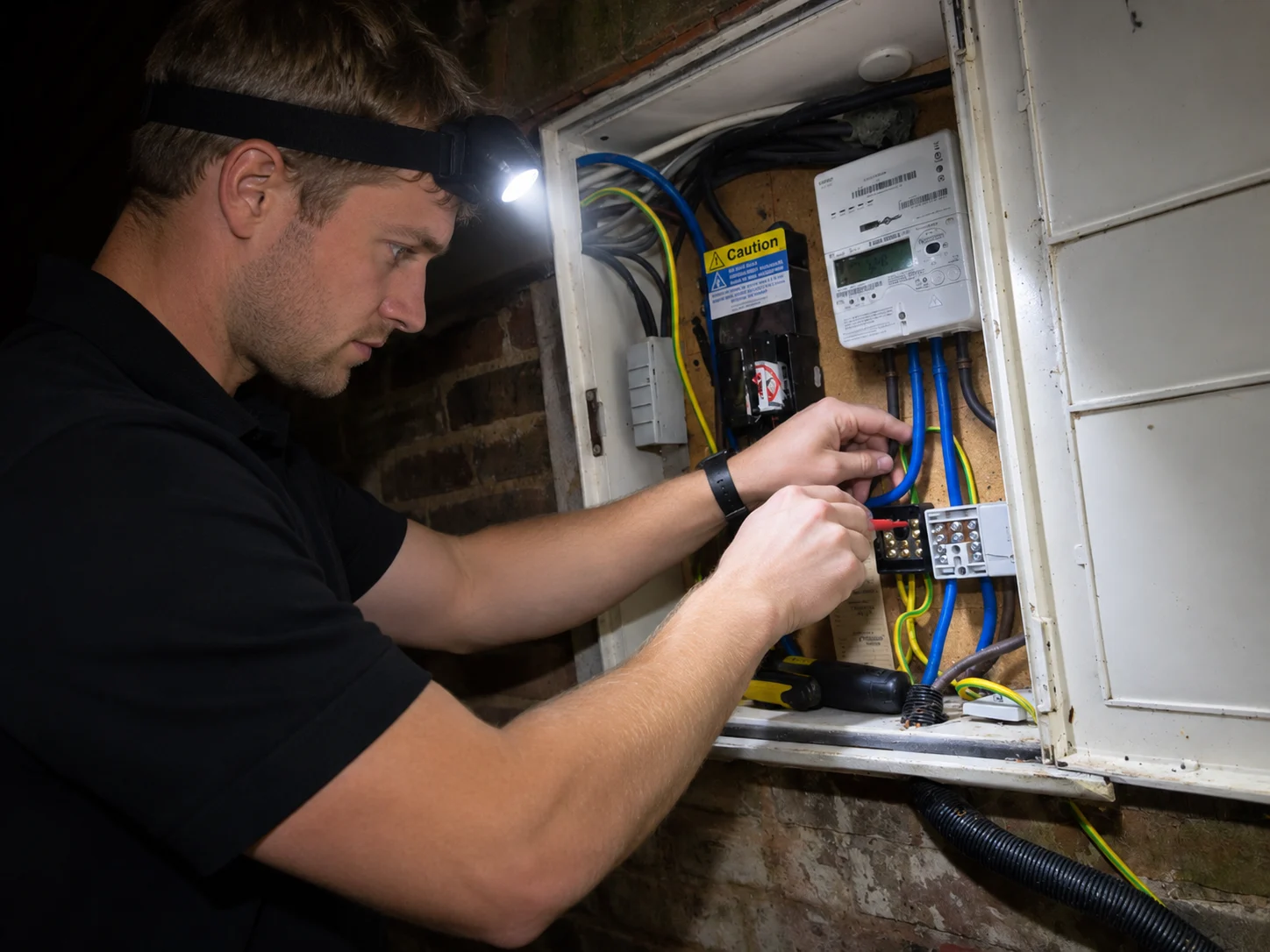
Your electrician isolates the affected circuit, finds the hot spot and checks the wiring around it for damage. Scorched sockets, switches and connections are replaced, usually there and then, because the van carries common fittings. Then we look for why it happened, whether that's an overloaded circuit or another loose terminal, and test the circuit fully before power goes back on. Before we leave you'll have the BS 7671 paperwork in hand, and the repair is guaranteed.
If lights have also been flickering, our fault finding service traces the wider problem, and if a breaker dropped when the smell began, see tripping fuses and RCDs.