Newcastle water damage to electrics: isolate before anything else
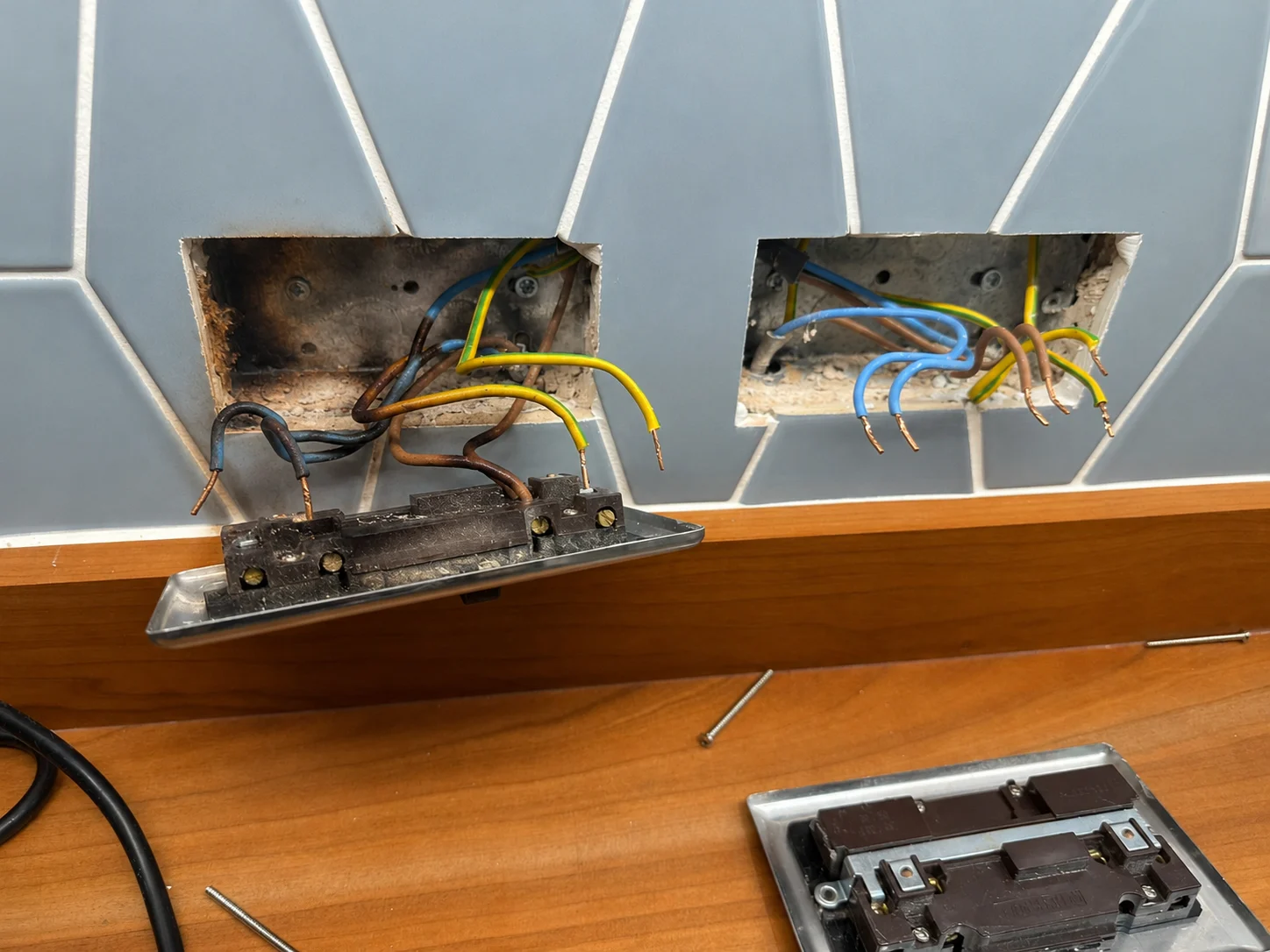
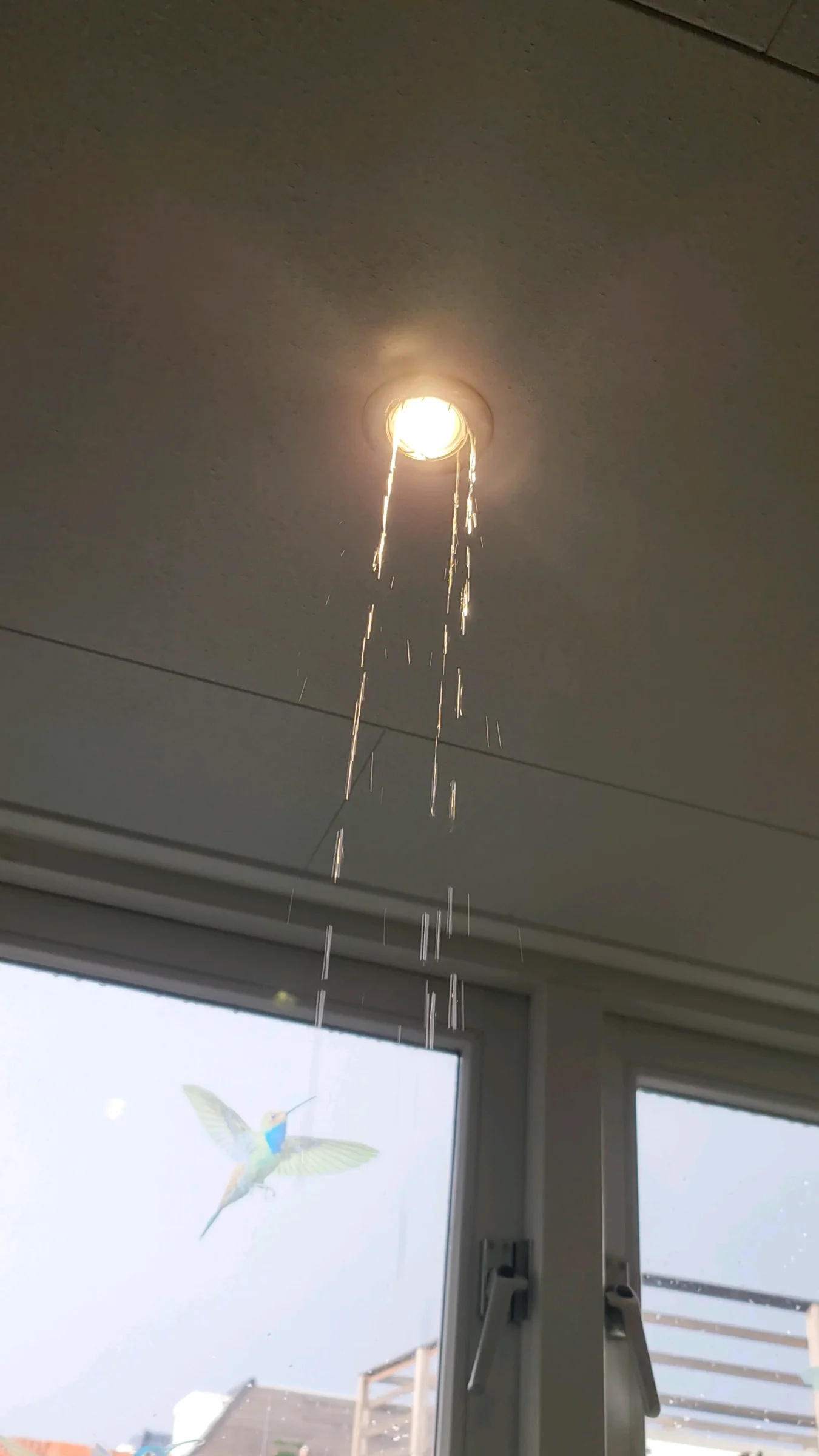
Water damage to the electrics in a Newcastle home or business brings a real risk of shocks and short circuits, sometimes long after the leak itself has stopped. Whether it's a shower leaking through from the flat above in Jesmond, a pipe that has burst in a cold snap or rain coming through a damaged roof, our electricians isolate the wet circuits, keep the dry ones running where possible and test before anything is used again.
First steps if water meets wiring
- Stay out of standing water anywhere near sockets, appliances or extension leads
- If you can reach the main switch with dry hands and dry feet, turn it off
- Close the stopcock to stop the leak getting worse
- If the consumer unit itself is wet, don't touch it: ring us, or 999 if anyone is in danger
Don't try the light switches to see better. A torch is the safer choice until the circuits have been tested.
By the river or below a leaky flat
Homes close to the River Tyne, and properties with cellars or ground-floor kitchens, can find water near their electrics after very heavy rain. Flats are more likely to have trouble from above, when a bath, washing machine or tank lets go. Either way, water can sit inside fittings and cable joints well after the surface looks dry, which is why we never switch a circuit back on just because it looks fine.
Our response across Newcastle and Gateshead
A wet circuit can't wait, so we send the nearest available electrician. In the 30-minute zone, which covers the Quayside and city centre including Ouseburn, Grey Street and the Haymarket, we are usually with you within half an hour. The 60-minute zone takes in Heaton, Fenham, Gosforth and Jesmond, as well as Walker, Byker, Benwell, Elswick and Kenton. Gateshead, Whickham, Ponteland and Wallsend, out to the Team Valley, Low Fell, Newburn and Killingworth, are usually reached within 90 minutes. Bridge traffic varies, so you will get an honest estimate and a live arrival text. Each zone is described on the Newcastle response times panel.
Testing, restoring and the paperwork
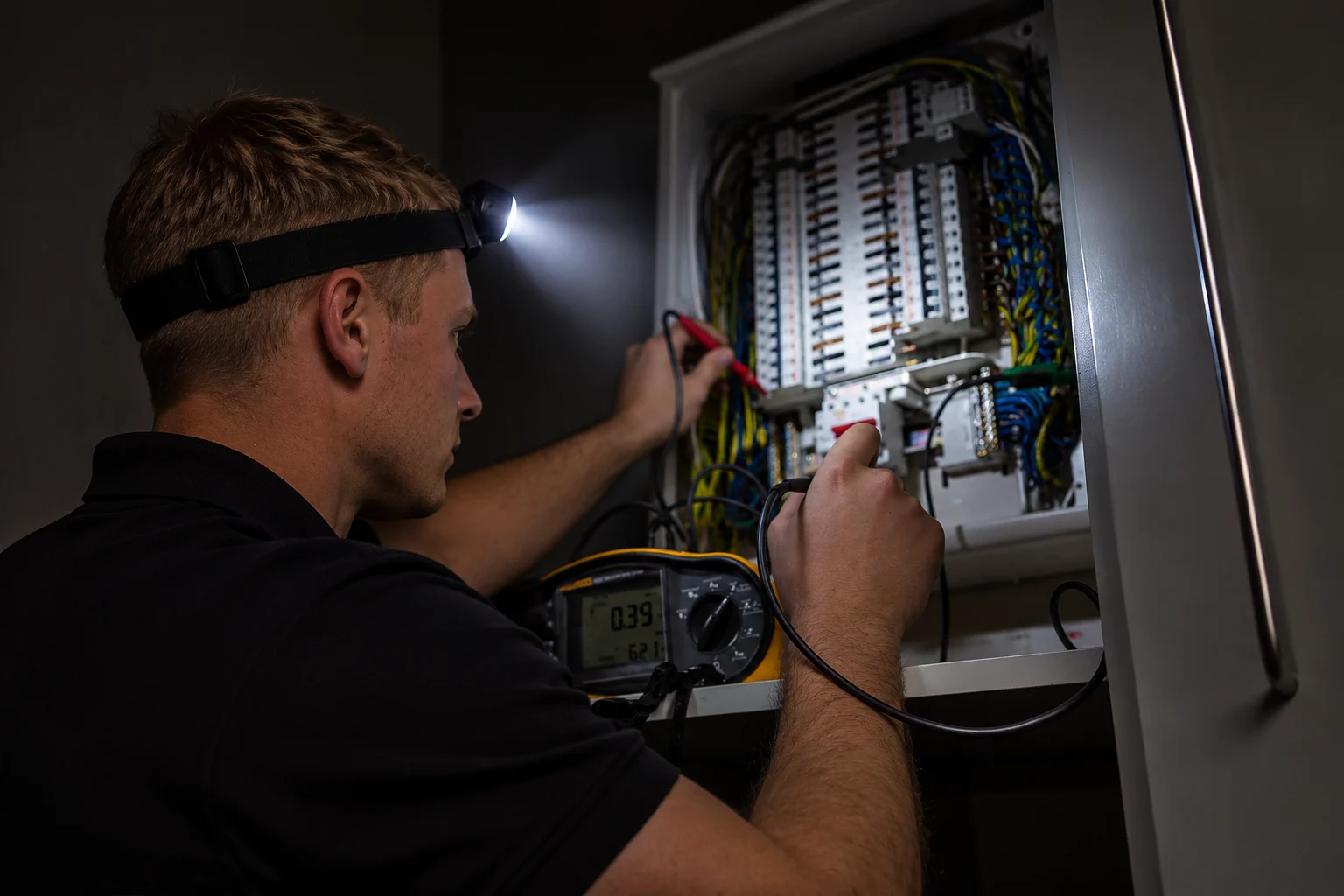
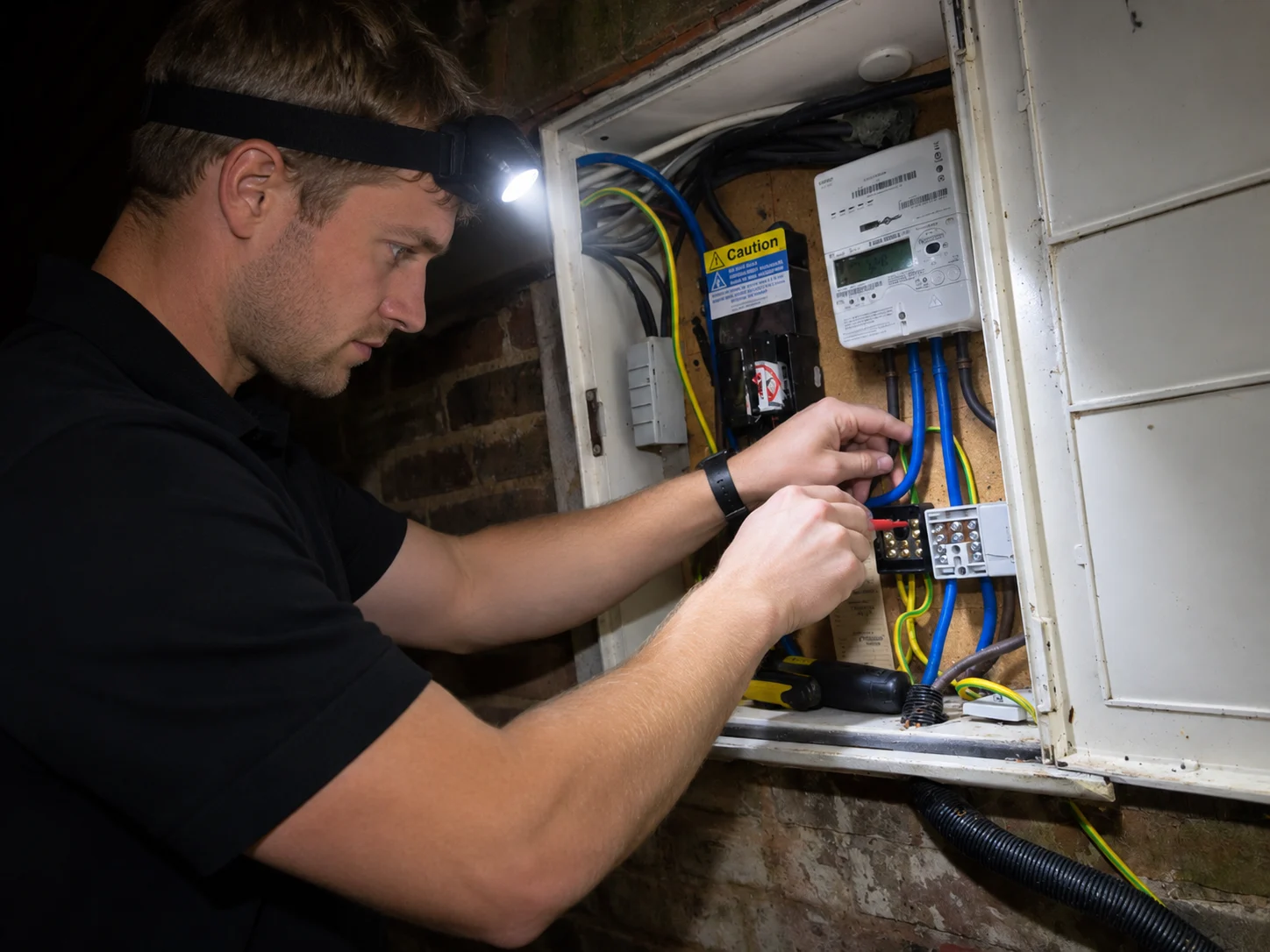
With the leak stopped and the affected circuits isolated, we use insulation resistance testing to see which wiring and fittings are safe. Damaged accessories are replaced, and power goes back on circuit by circuit, with unaffected areas kept live wherever we can. Some fittings need days to dry before a final test, and we will tell you honestly if that is the case. If the whole property is off, our power cuts and loss of power page may help, and an RCD that keeps dropping after a leak is covered under tripping fuses and RCDs.
Landlords and insurers often want evidence. We provide a written report of what we found, what we did and anything we recommend, ready to pass to your insurer or loss adjuster.